Milestones
2025 was a milestone year for CCI.
We became an independent nonprofit. We celebrated 25 years of partnership with the health care safety net. We held some of the most catalytic convenings in our history, launched new projects to advance health equity, and deepened relationships across the country.
And it was also a hard year for us and for the field. The policy environment grew more unstable for safety net organizations and the communities they serve. Federal policy changes introduced new risks for families navigating immigration uncertainty. The funding landscape tightened. The organizations in our network grappled with workforce strain, implementation complexity, and seismic shifts in technology. None of that was the backdrop to our work. It is our work.
Here’s what we kept seeing, even in the hardest moments: people showing up. A clinical administrator figuring out how to serve patients whose fears had grown louder than their health needs. A community health worker building trust one conversation at a time. Leaders from managed care plans and community-based organizations sitting in the same room, trying to find common ground. These are the people CCI exists to connect, resource, and learn alongside.
That shift also sharpened our thinking. In turbulent times, organizations like CCI have a responsibility to be as clear-eyed and well-organized as possible — to know what we’re building, why it matters, and how it creates lasting change.
The safety net gets stronger with each connection we make and each innovation we share. In 2025, we made more of both than ever before.
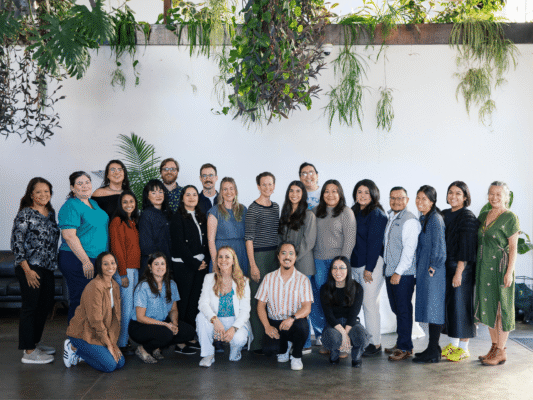
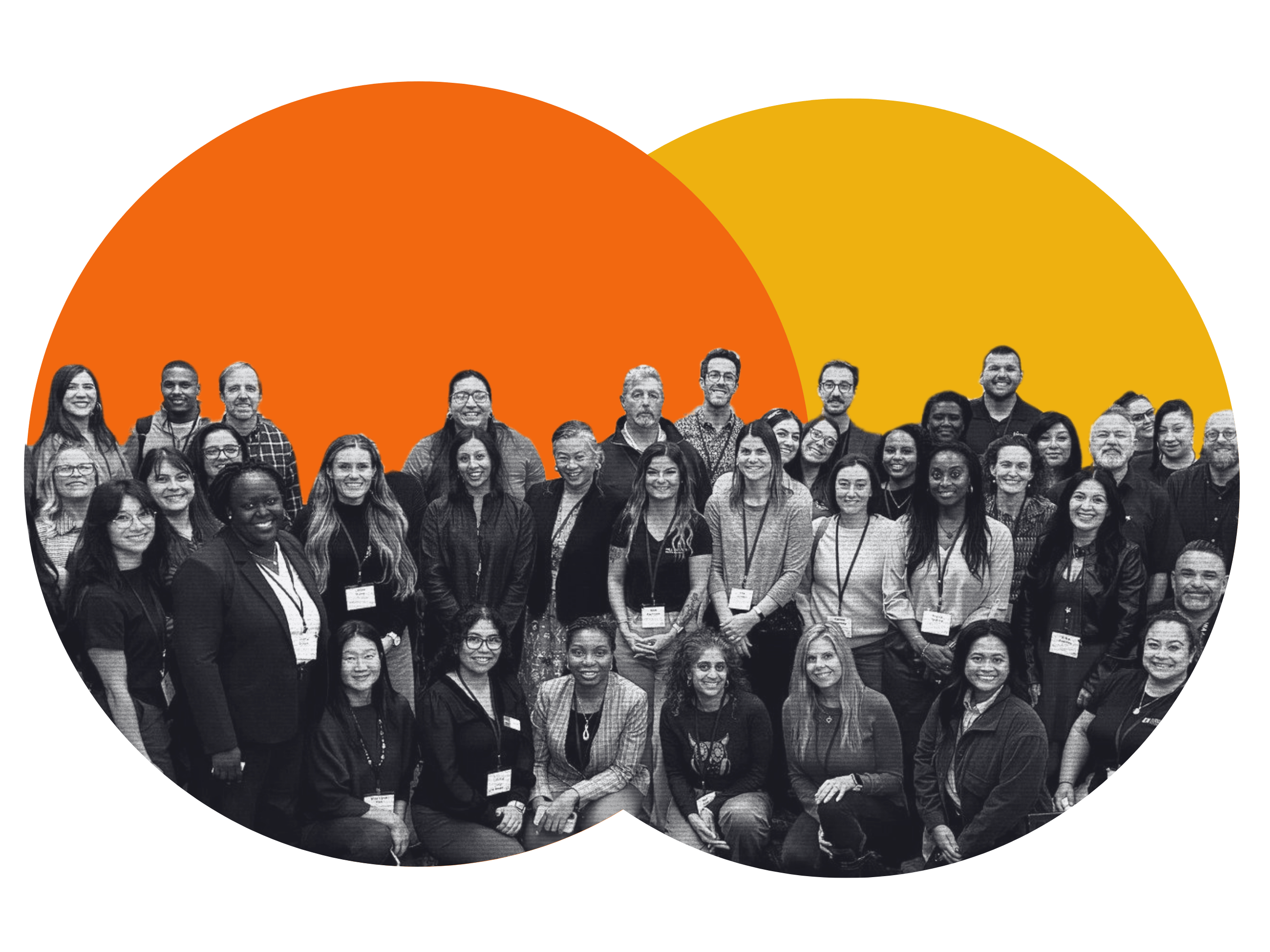
The CCI Team
IN 2025, CENTER FOR CARE INNOVATIONS RaN
18 PROGRAMS + PROJECTS
CollaboratING with
395 ORGANIZATIONS
that served a total of
6.5 MILLION PEOPLE
How We’re Organized
A Continuum of Engagement
When we become a 501(c)(3) organization in April 2025, we made a promise: that independence would mean greater agility to respond faster and build in ways that weren’t possible before. Reorganizing our work is part of keeping that promise.
For 25 years, CCI has built something rare: a track record of driving measurable improvement in health outcomes, deep relationships across the safety net, a proven ability to translate complex ideas into practical tools, and the trust to convene the right people at the right moment. What we’ve been building toward is a way to make that knowledge travel further, so that learning compounds, tools scale, and relationships extend beyond any single initiative.
Starting in 2025, we began aligning our work around three lines of business.
Capacity Building Initiatives
Learning networks, accelerators, and collaboratives that strengthen the skills and confidence of safety-net leaders. CCI helps organizations adopt new approaches and demonstrate measurable improvements in the quality of and equitable access to health care and social services.
Advising & Consulting
Hands-on coaching, technical assistance, and advisory services that bring specialized expertise. CCI supports organizations in navigating complex systems and helps change take hold.
Ecosystem Development
Gatherings, peer learning, and field-building work that boosts trust, surfaces shared priorities, and creates connective infrastructure to act collectively. CCI strengthens the broader field and accelerates alignment.
Together, these form a continuum: ecosystem development builds trust and sparks ideas; capacity building goes deep with cohorts to improve outcomes; advisory work brings what works to scale.




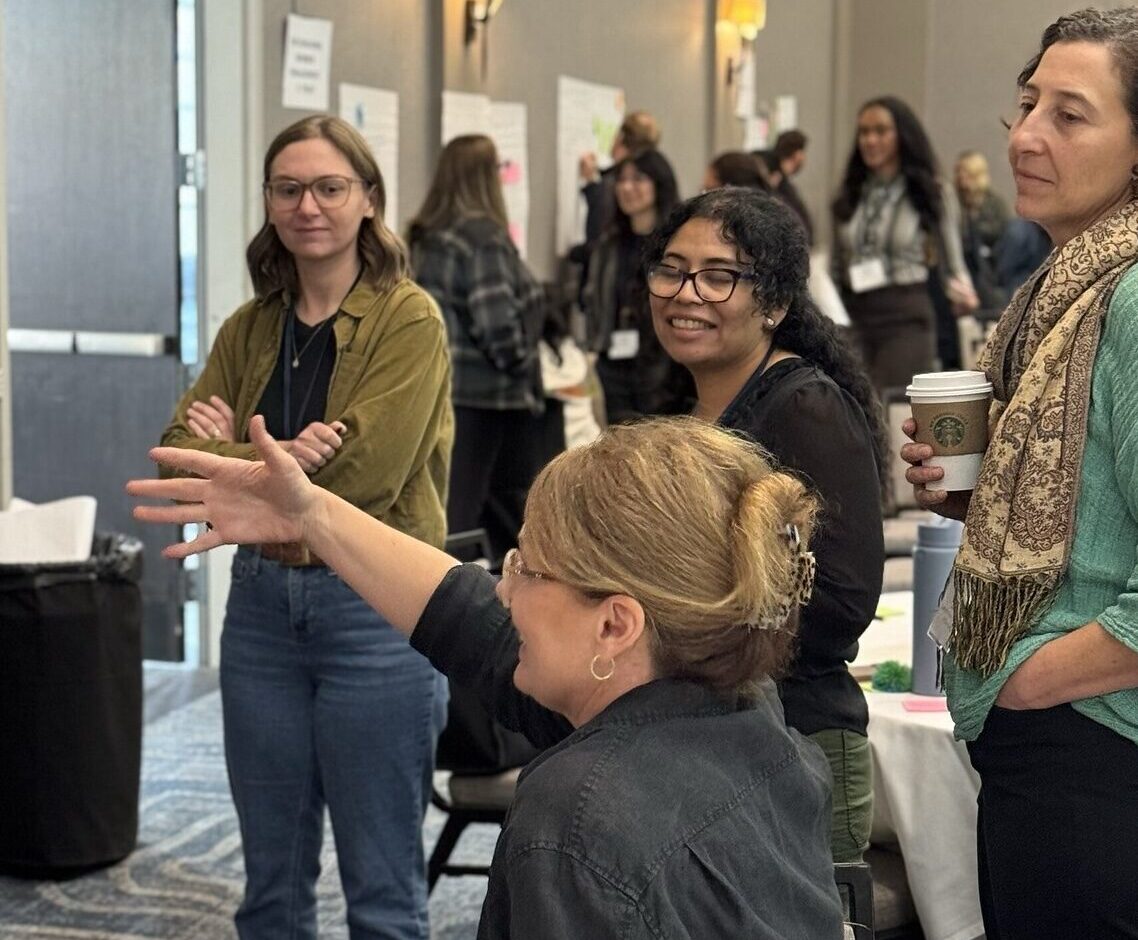

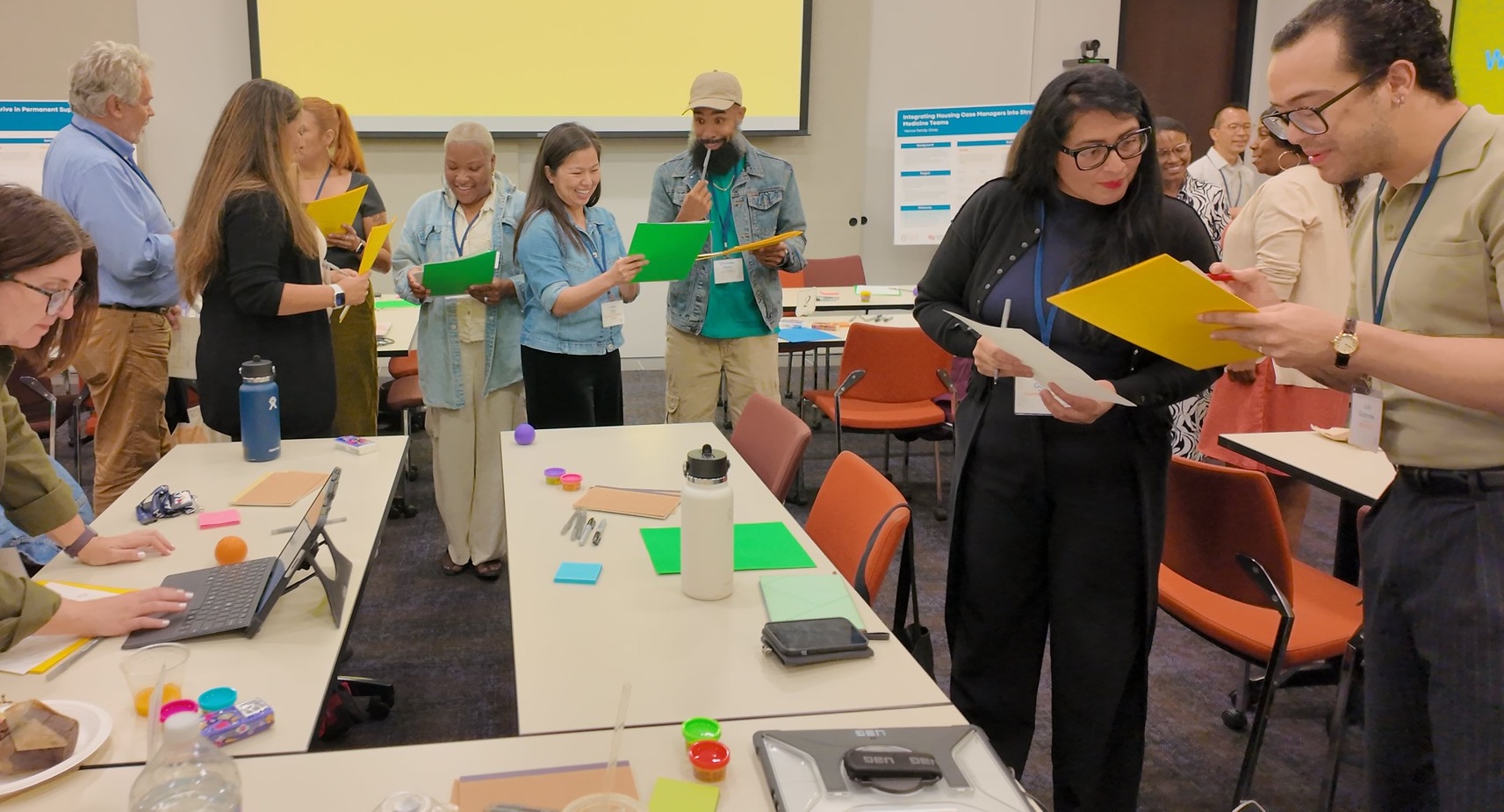
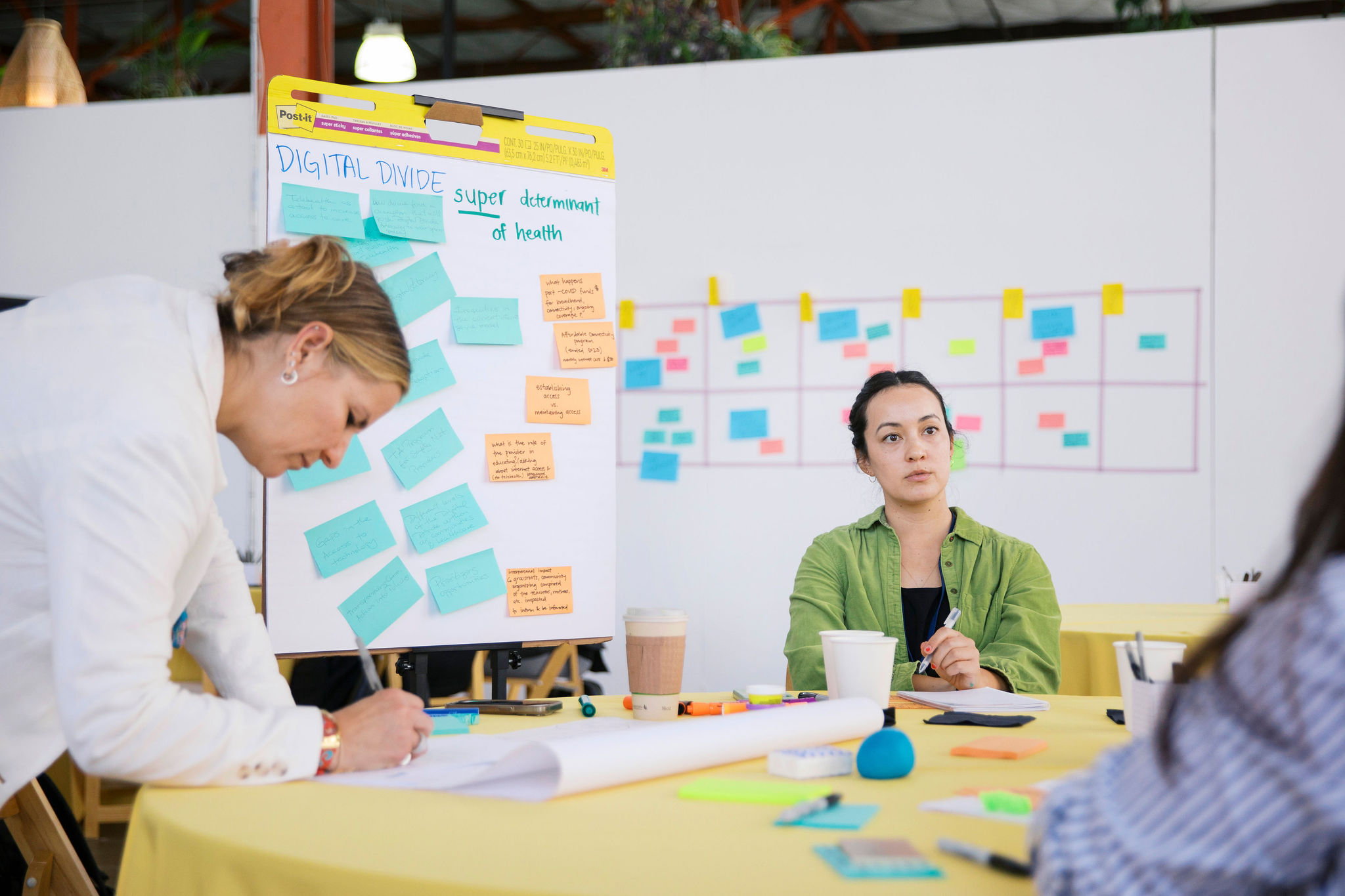
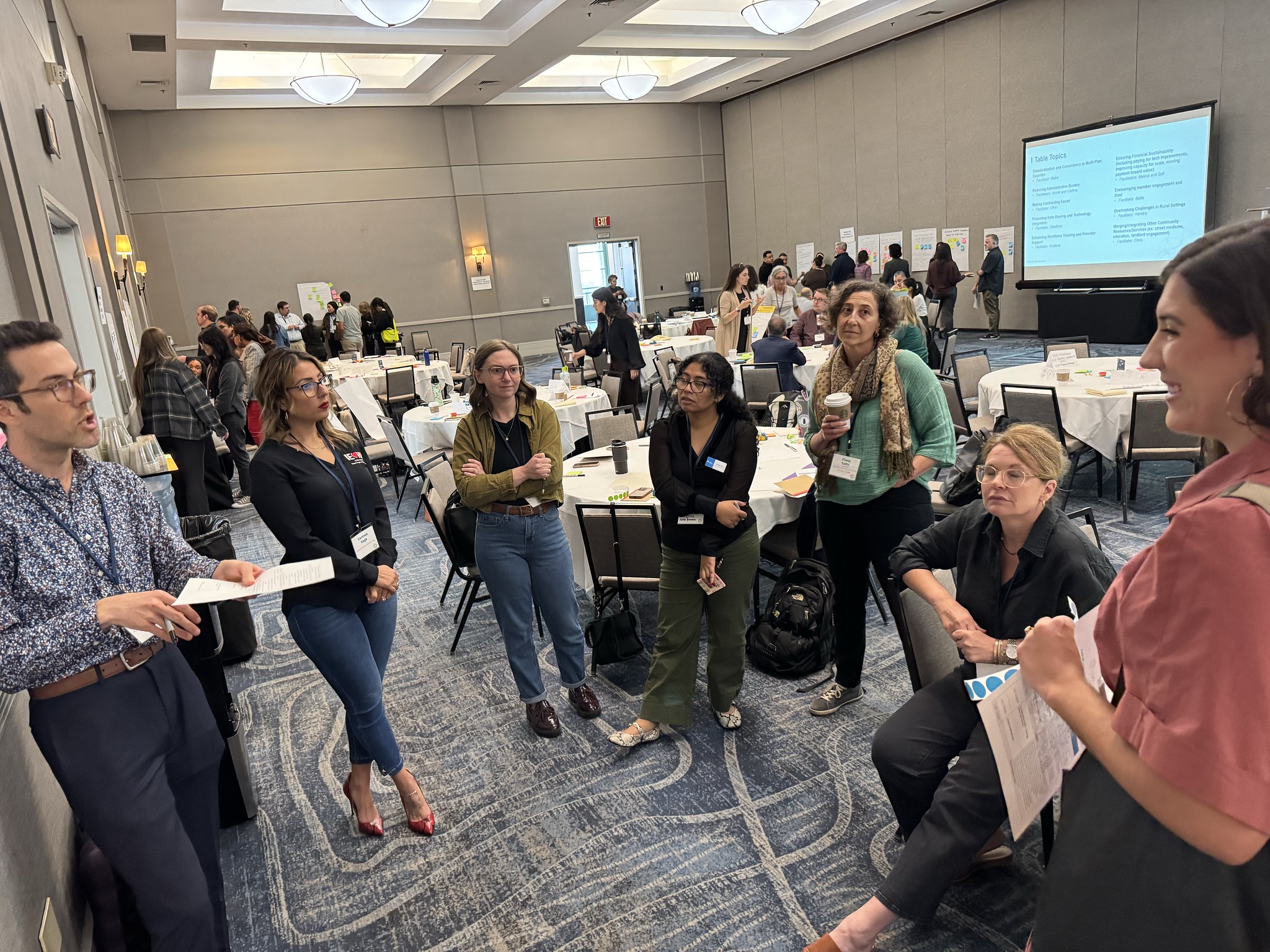



2025 Impact in Action
What this Looked Like in Practice
Each of CCI’s three lines of business showed up in distinct ways in 2025. Here’s a window into what each one looked like in practice:
Capacity Building Initiatives
CCI’s capacity building work is designed to go deep. We transform how organizations operate and how leaders lead.
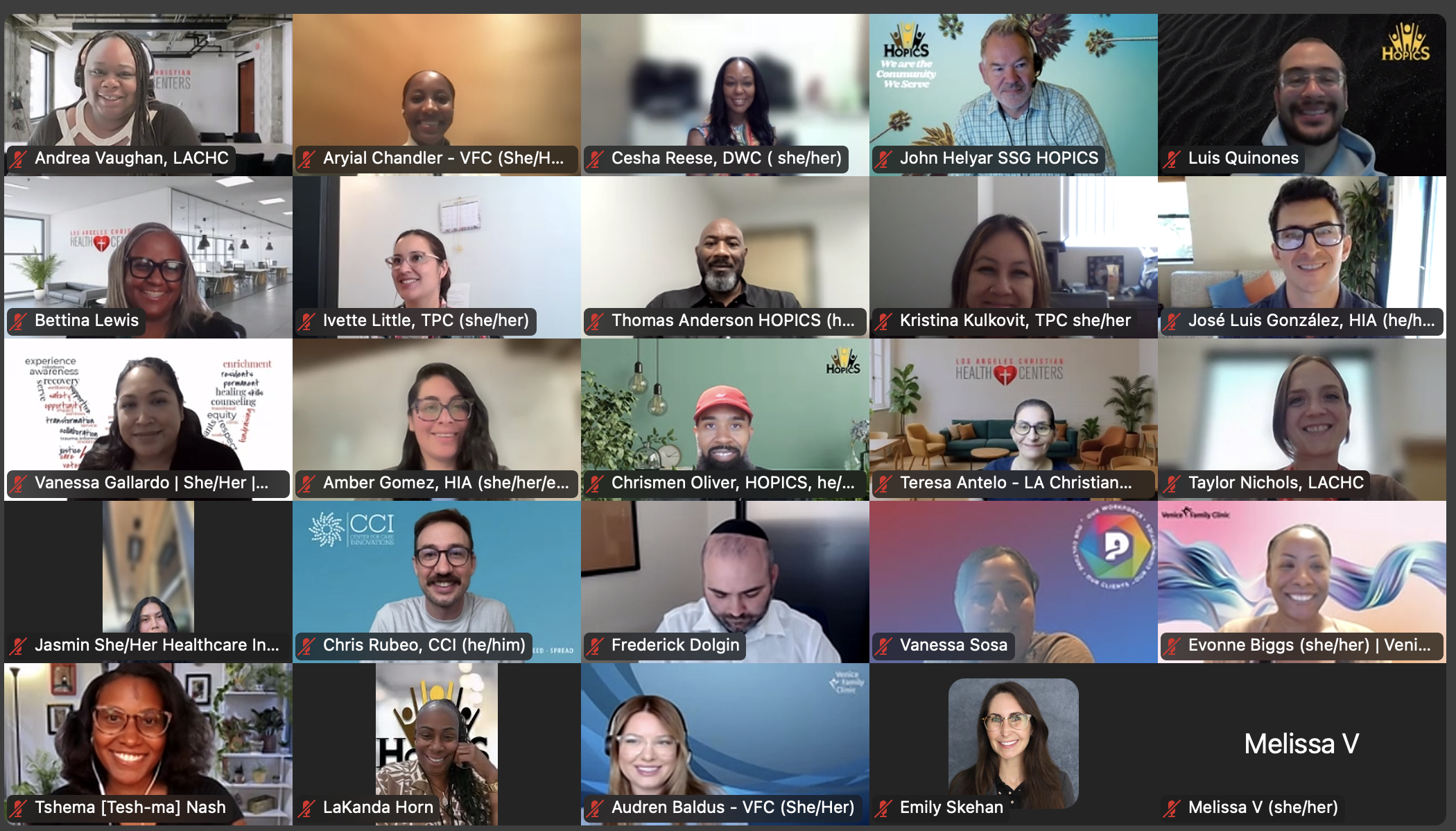
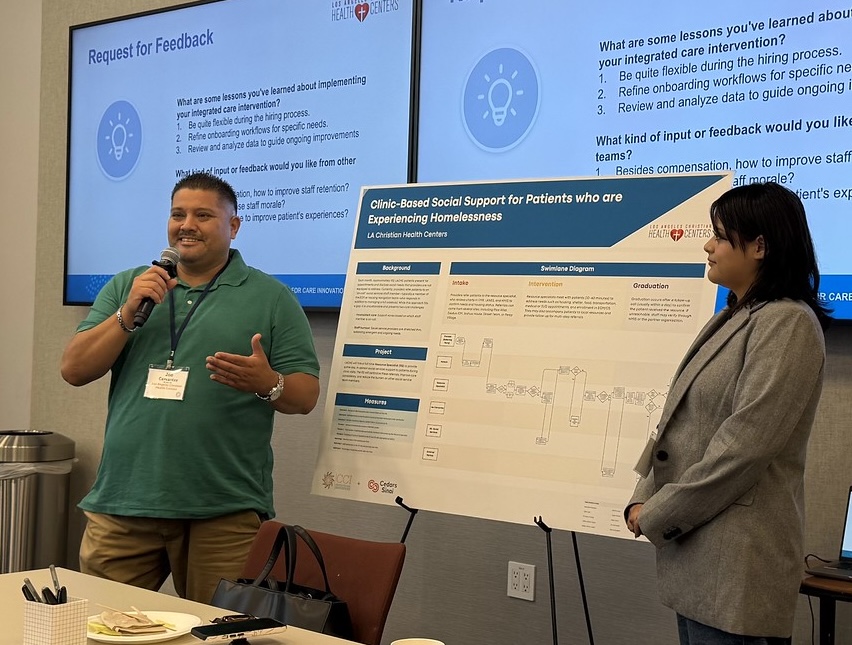
CCI is running the Innovation Accelerator: Housing and Health (IAHH) in partnership with Cedars-Sinai and the Conrad N. Hilton Foundation, bringing together six teams in Los Angeles County to develop or evolve care models that bridge healthcare and homeless services. For example, one team in the program is co-locating medical providers inside interim housing, so a person doesn’t have to leave the shelter to get primary care. Another is embedding occupational therapy and nursing services into permanent supportive housing, helping formerly homeless older adults build daily routines that make stable housing sustainable. A third is developing screening tools to support their street medicine clients transition from living in shelters to living in a home of their own. The goal of the accelerator is to advance integrated social and medical care for people experiencing homelessness in Los Angeles county, and we do so by creating the conditions for each team to develop, test, and refine their own approach to care integration aligned with the needs of their unique patient and client population. Our team provides participants with structured coaching, peer learning, and documentation support throughout.
“The innovation accelerator has been a godsend. It’s amazing. Just the follow through from the accelerator team has really helped to keep my team on track. In homeless services we are not funded to do innovation. There are no funding streams for that. And so, if we innovate, it is literally coming from inside. And oftentimes there’s no infrastructure to support innovation. So that’s the value of the accelerator program for me — we get somebody to push us to think outside of our regular work.” — Senior Leader, Homeless Services Organization
By the Numbers: 6 IAHH teams. Of the 72,195 people experiencing homelessness in Los Angeles County, our participants reach 39,145 of them every year.
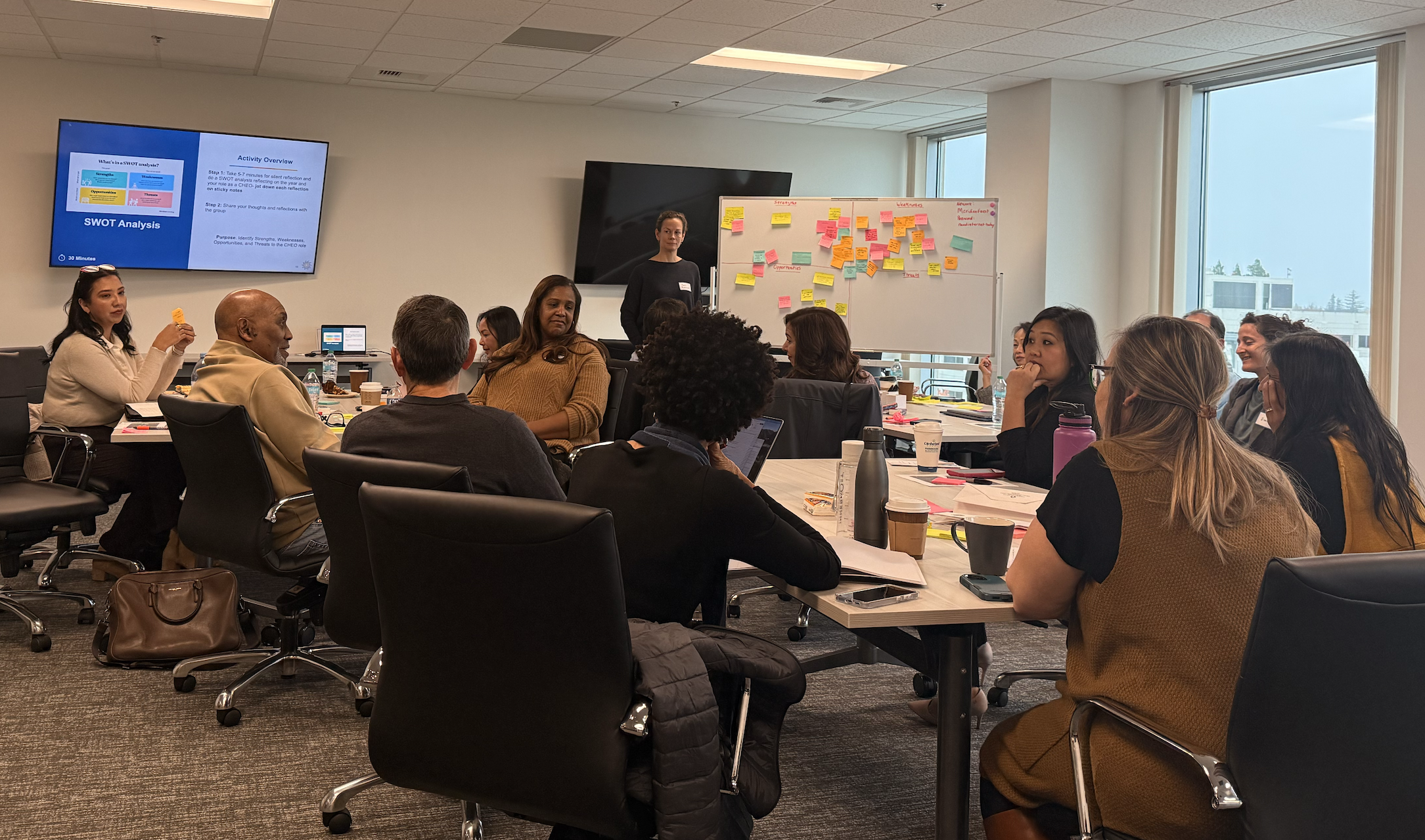
CCI, in partnership with Institute for Healthcare Improvement, also anchors the Chief Health Equity Officer Network, a first-of-its-kind community supported by the California Health Care Foundation. The network launched in response to a new state requirement that all managed care plans (MCPs) have a chief health equity officer (CHEO), and the recognition that most had been in the role for less than a year with limited peer community and few shared frameworks. CCI is helping CHEOs develop business cases for health equity investments, building equity-focused data dashboards, growing allyship for health equity, deepening strategic community partnerships, exploring strategies to maximize community reinvestments, and creating the infrastructure to integrate health equity in managed care.
By the Numbers: 17 CHEOs from Medi‑Cal managed care plans, participating in a learning community collectively accountable for millions of members statewide.
CCI has been doing capacity building for 25 years, and it reflects something we believe deeply: change is built and carried forward by organizations and the people who lead them. When a safety net organization builds new capability, that capability doesn’t disappear when the grant ends; it lives in the people, the protocols, and the culture. We strengthen the institutions and leaders that serve communities, so that communities are better served long after CCI leaves the room.
Advising & Consulting
When the work calls for expertise in the room, CCI shows up as a thought partner, coach, and implementation ally.
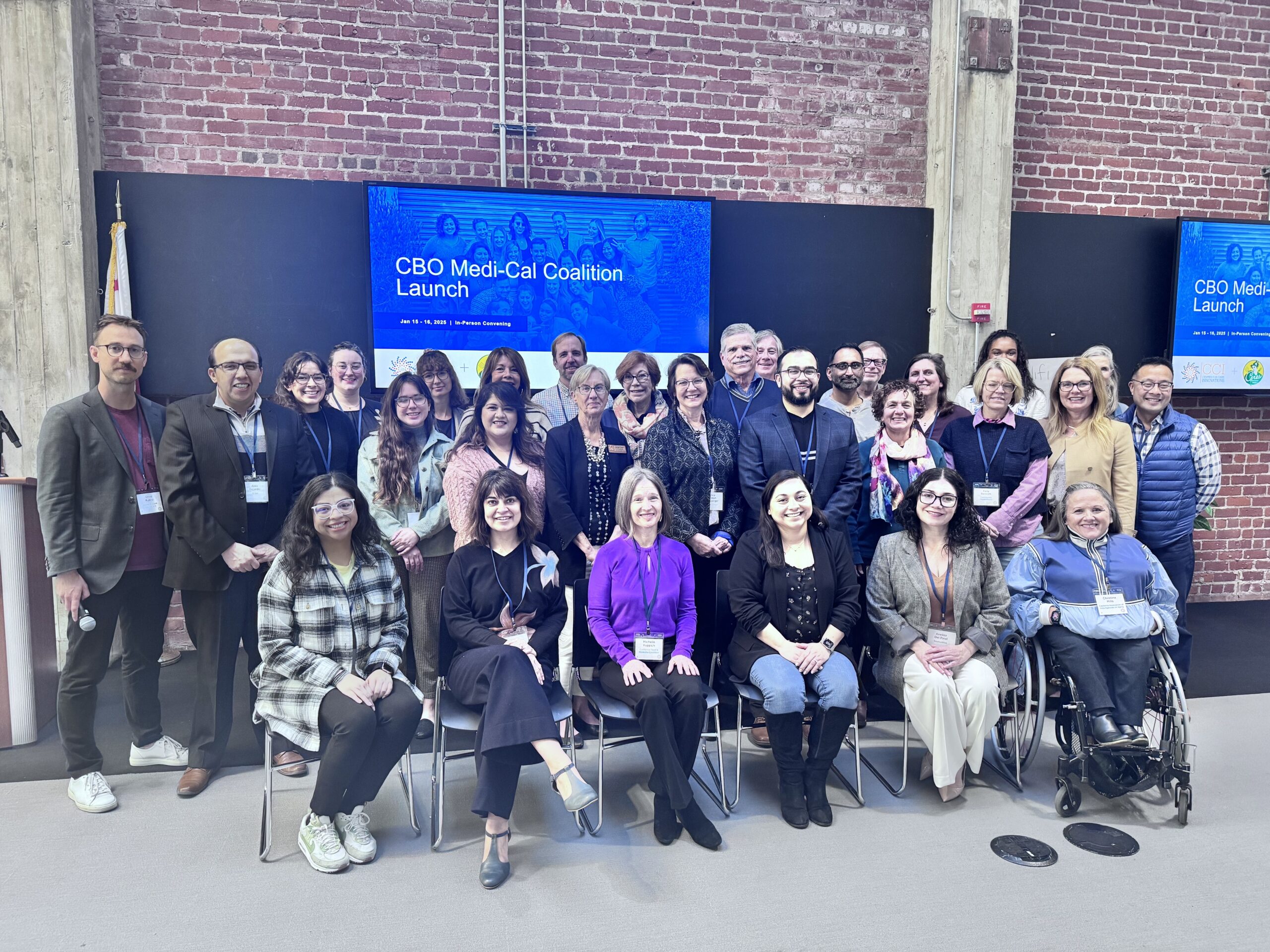
CCI is working alongside 32 community health centers across California as one of five practice transformation partners on the Population Health Management Initiative (PHMI), a collaboration of the Department of Health Care Services (DHCS), Kaiser Permanente, and community health centers. CCI is coaching care teams, co-leading regional learning sessions from the Central Valley to Los Angeles, and embedding equity into daily practice to improve the quality of care and address disparities. We saw this happen in concrete ways: a 33 percent increase in health centers documenting equity goals signals that the work moved from conversation to accountability.
“The PHMI coaching and SME support is the best technical assistance our team has ever received, and they appreciate the individualized approach.” — CEO, Community Health Center.
By the Numbers: 88 percent of community health centers completed foundational competencies for their populations of focus with the support of coaches, focusing on care teams, empanelment, using data to improve patient care to identify gaps, and establishing outreach protocols to engage patients.
When the Institute for Healthcare Improvement and DHCS needed implementation partners for California’s most complex Medicaid quality initiatives, they called CCI. On the Child Health Equity Collaborative (CHEC), CCI is partnering with IHI and funded by DHCS to bring co-design and cross-sector partnership building into a statewide effort spanning all of California’s managed care plans. We helped health plan and clinic teams stratify well-child visit data, surface disparities that had long gone unexamined, and act on what they found. On the Behavioral Health Collaborative (BHC), CCI is again partnering with IHI and DHCS to strengthen coordination between managed care plans and county behavioral health plans, improving follow-up care for people who visit the emergency department in mental health or substance use crisis.
By the Numbers: When CHEC data revealed Golden Valley Health Center had no available appointments through year’s end, Health Plan of San Joaquin opened Saturday clinics. Within two months, more than 100 patients had been seen for wellness visits — including one Saturday when a family of five came in and every child got a well-child visit.
This is what advising and consulting looks like at its best: not a generic playbook, but expertise that fits. CCI brings deep knowledge in population health, equity integration, and organizational transformation. Sometimes that’s a seat at the table on a large-scale initiative. Sometimes it’s bespoke coaching for a single team navigating something hard.
Ecosystem Development
The safety net needs places where the field can think out loud together. CCI builds and holds those spaces.
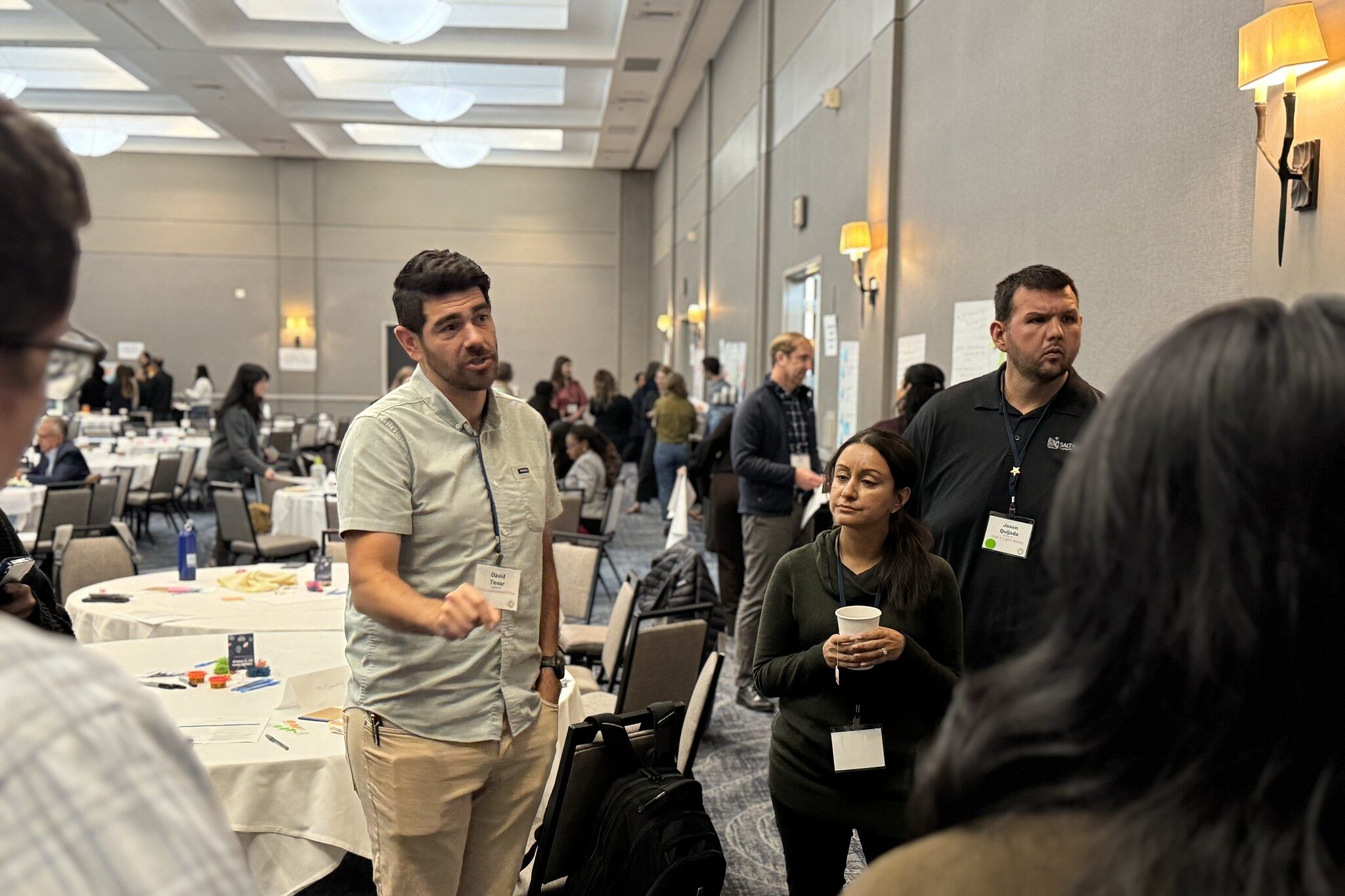
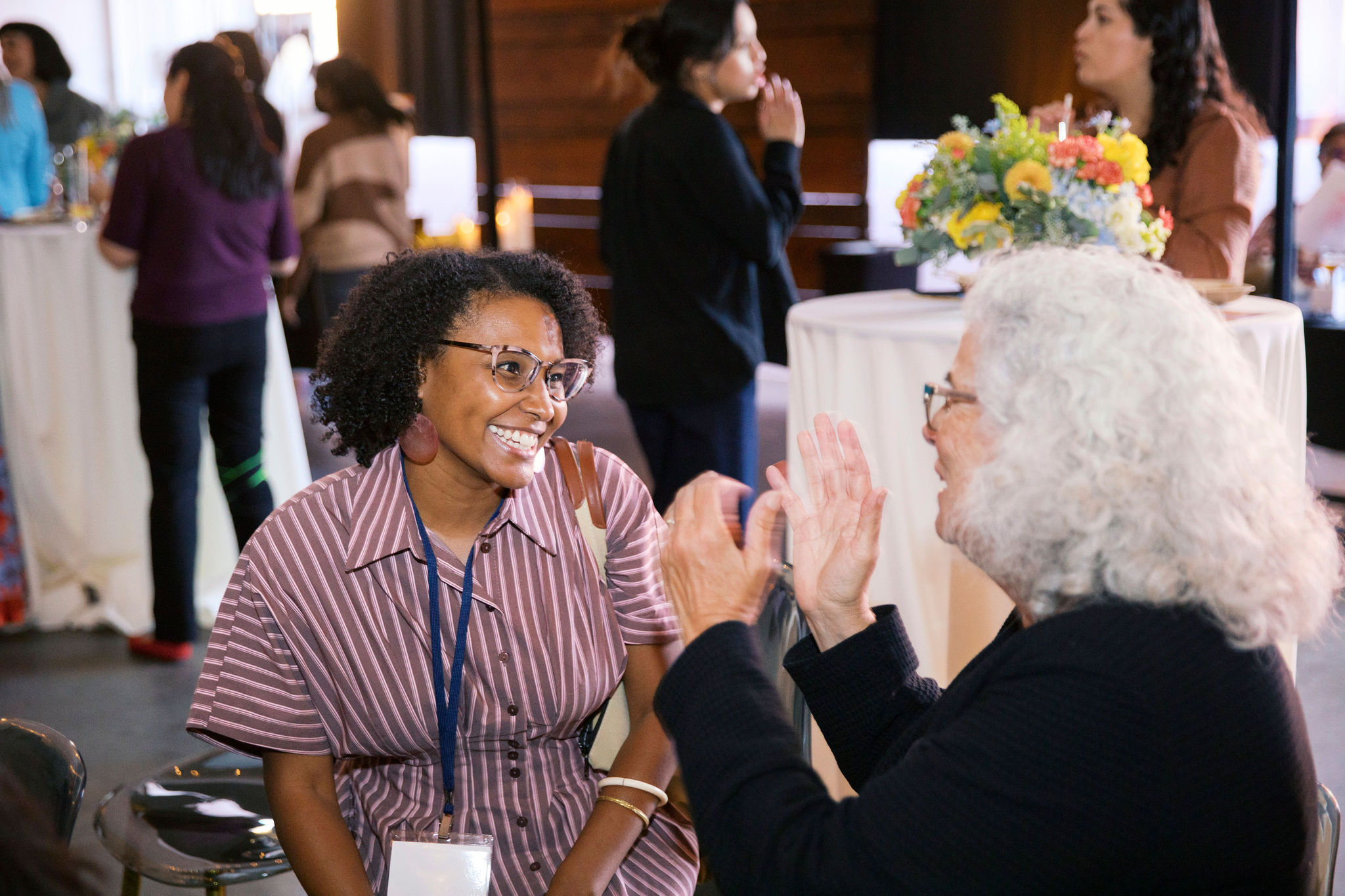
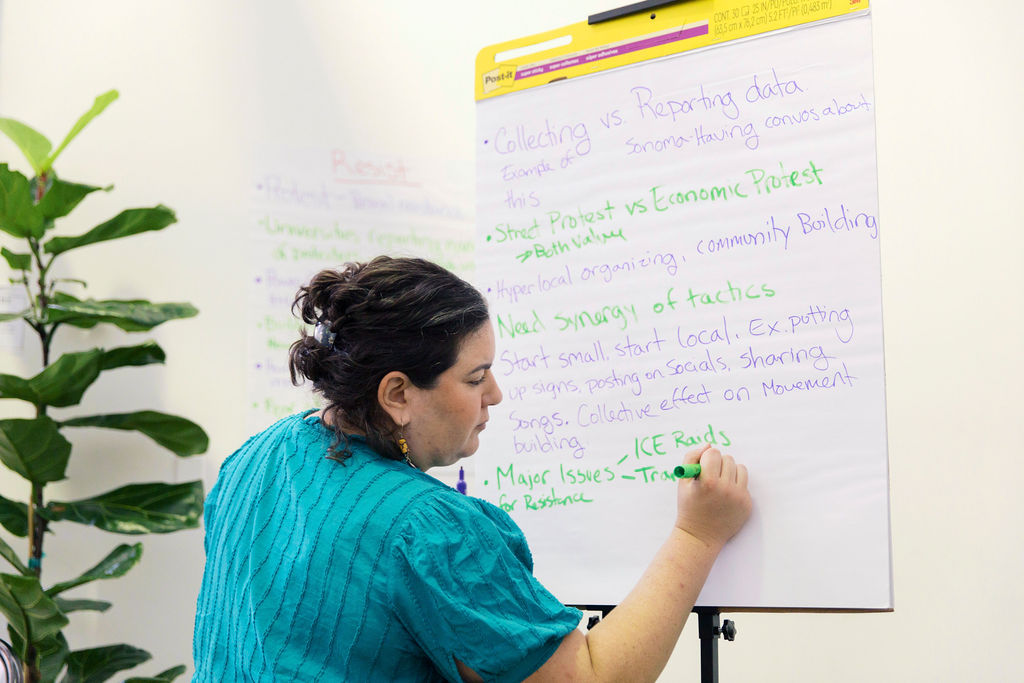
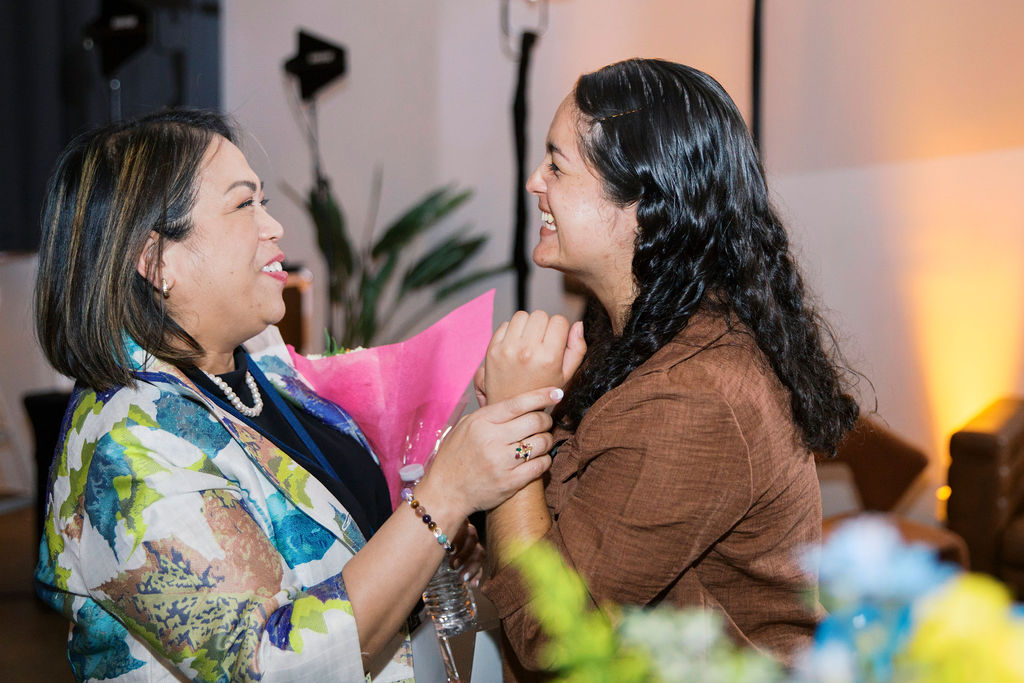
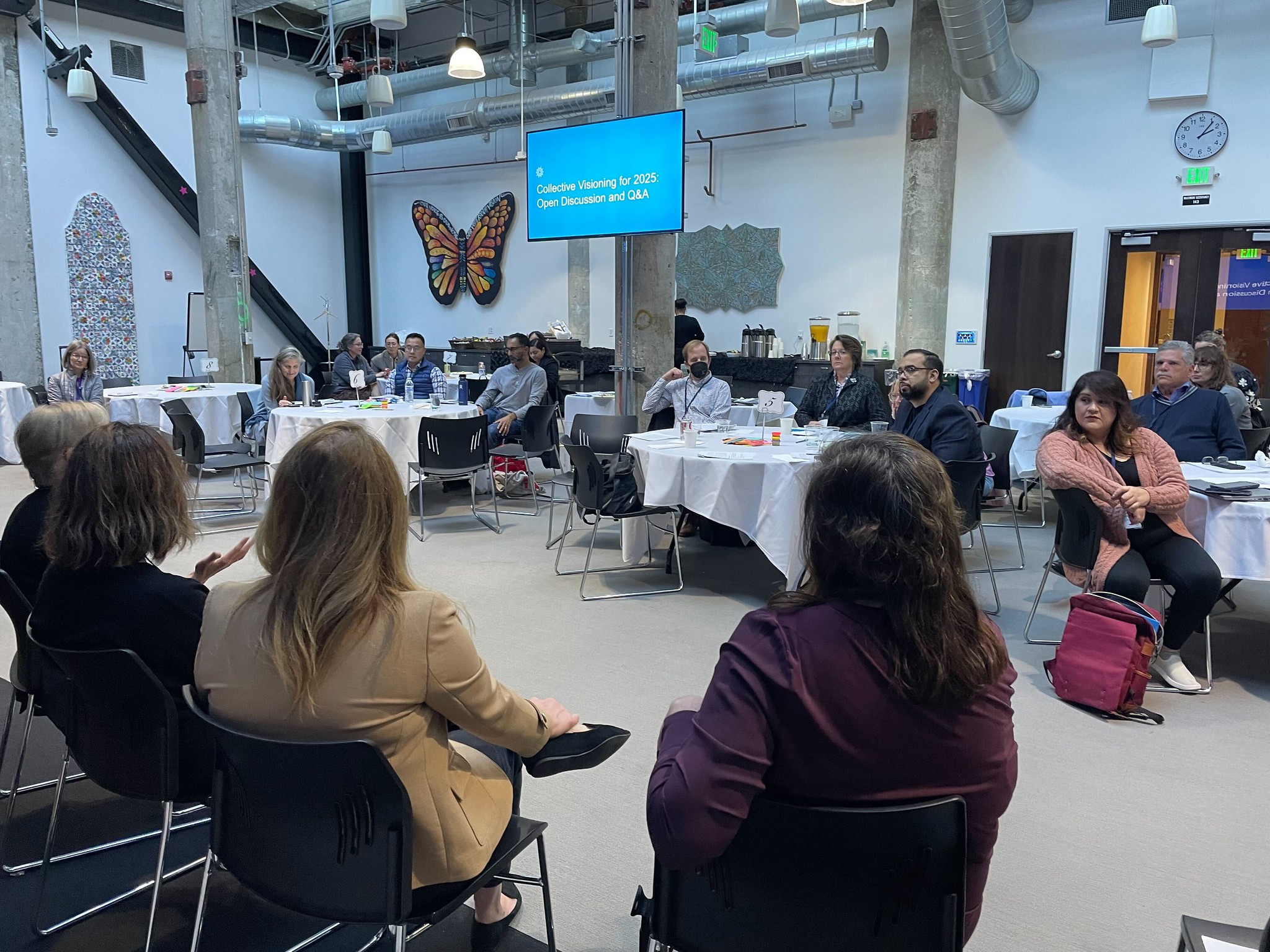
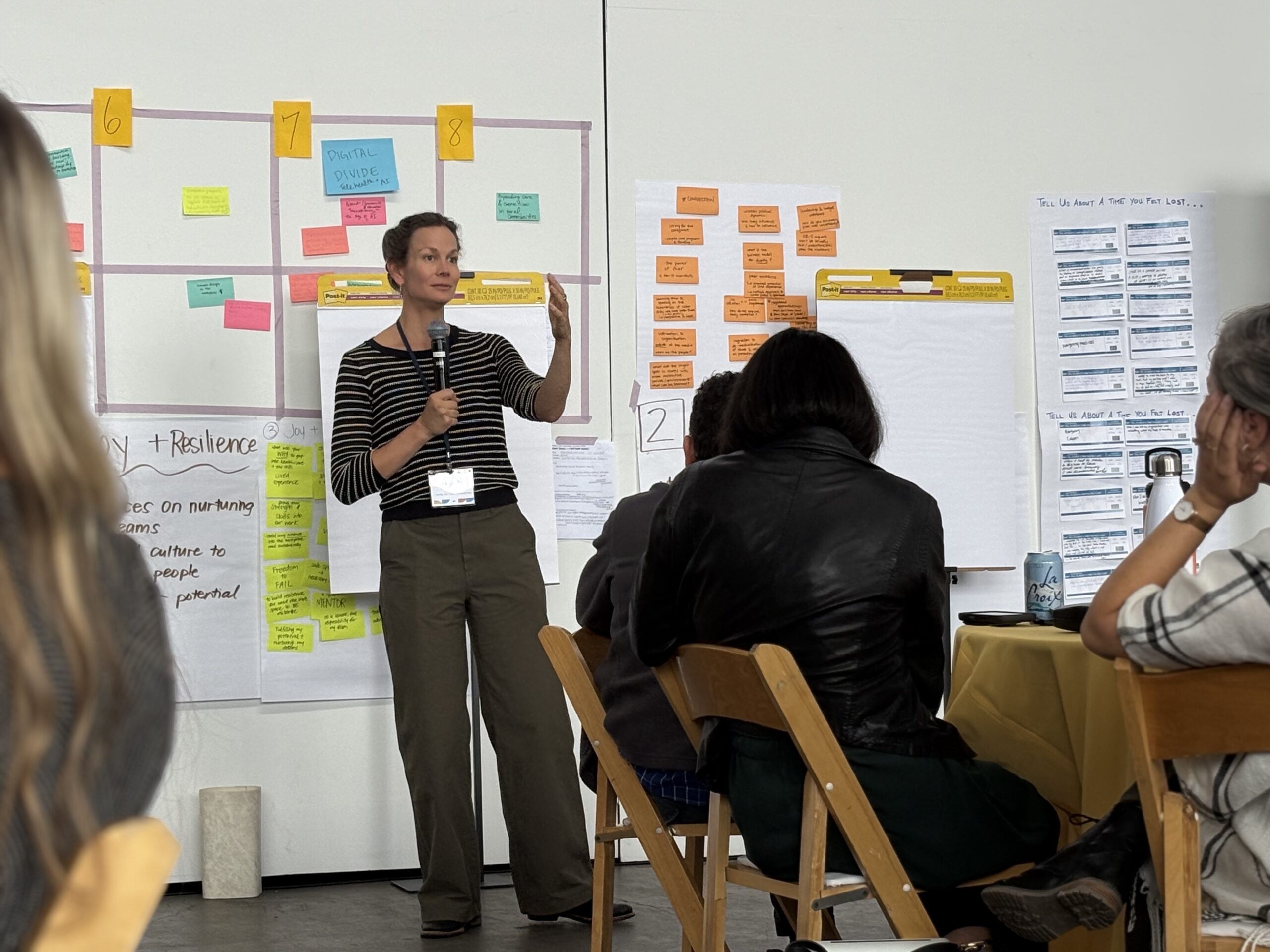
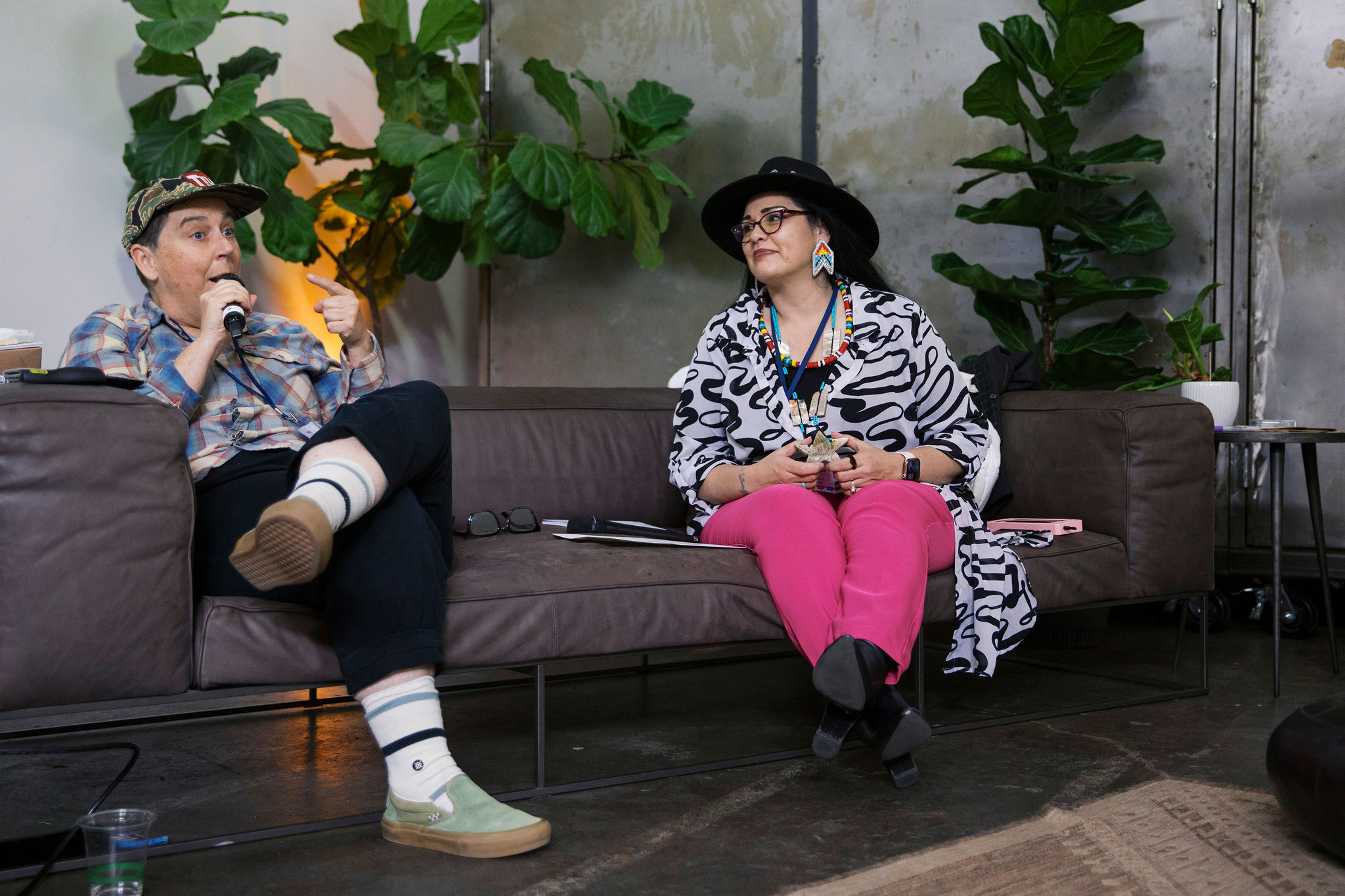
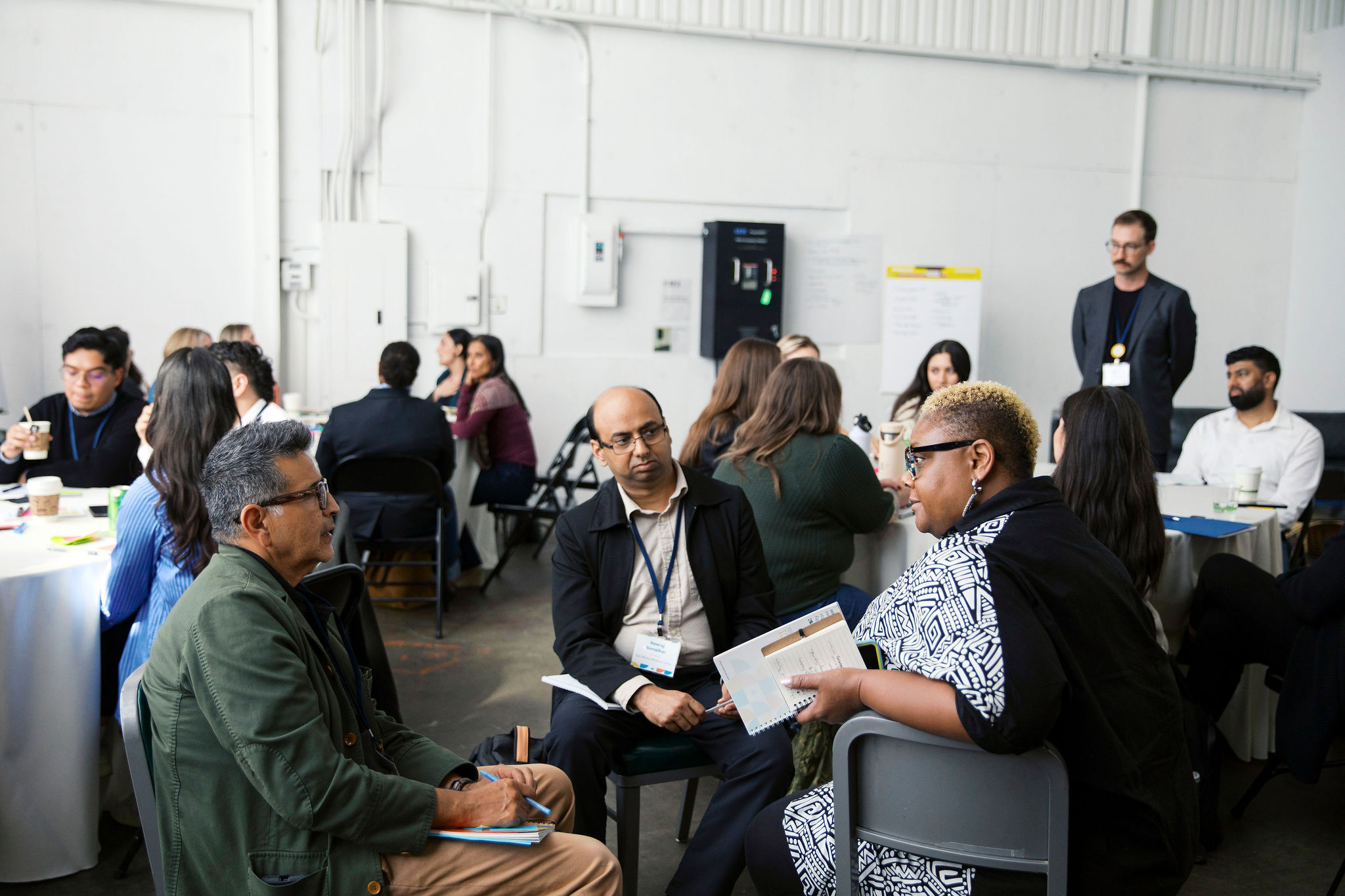
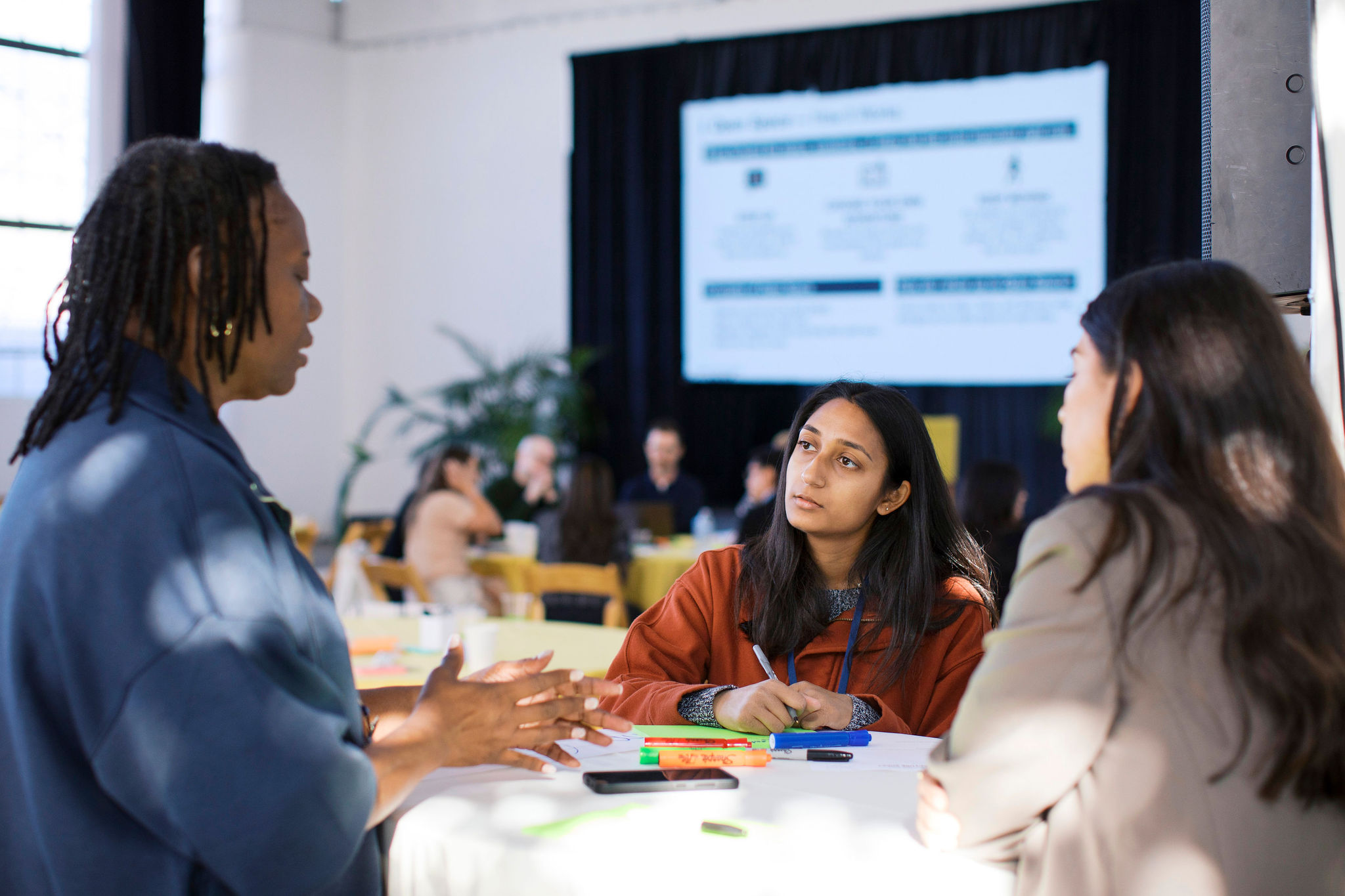
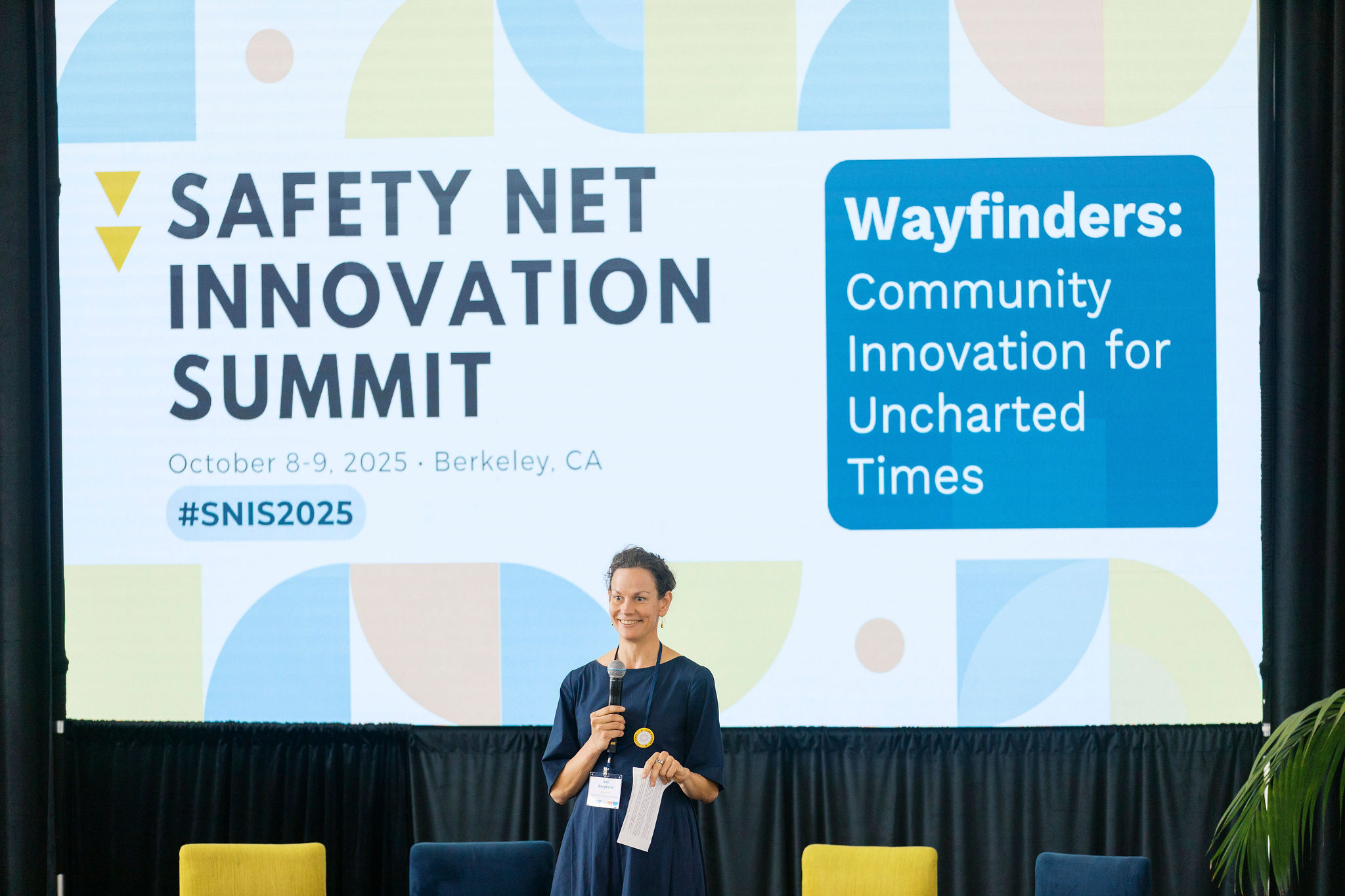
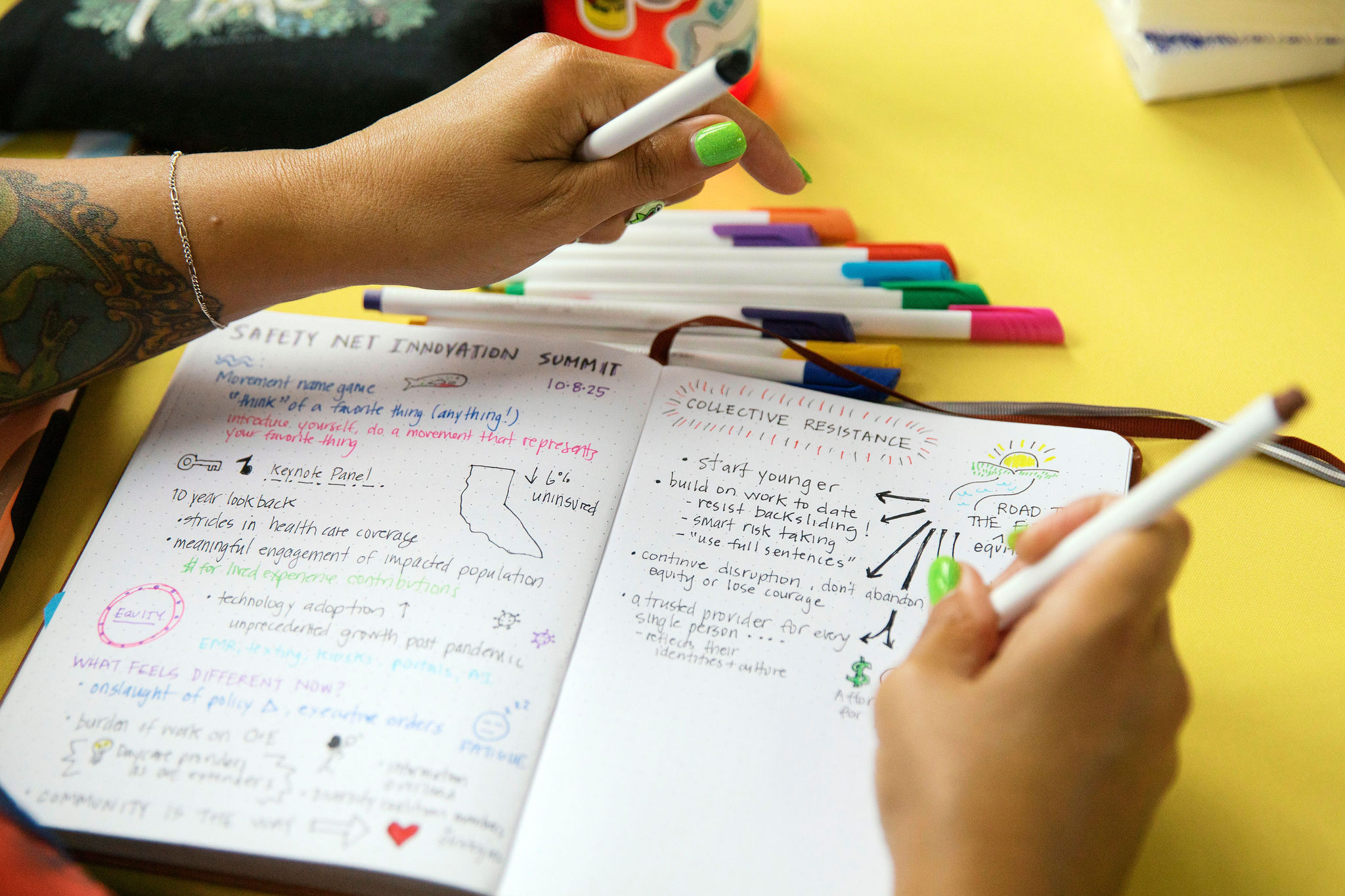
The 2025 Safety Net Innovation Summit brought together leaders for two days designed not to present answers, but to hold space for the hard questions. Day 1 offered skill-building workshops on responsible AI adoption, conversations that build trust across power differences, Indigenous approaches to wellness, and care without fear for immigrant communities. Day 2 launched into Open Space, a fully attendee-led format where people named the sessions they needed and led them. Groups explored what happens when a hospital closes, what resistance looks like in this political moment, how coalitions stay accountable to purpose, and what sustains joy in long-term systems change. CCI designed the container; the community filled it. The evening included a storytelling experience produced in partnership with The Nocturnists Satellites — three community members sharing stories of addiction and recovery, the complexity of caregiving, and the tenderness of navigating loss — a reminder that the work of the safety net is not only strategic but deeply human.
“It’s brought up so many emotions — inspiration, determination, curiosity, and even frustration, sadness, uncertainty. And that’s the beauty of the time we spent. We allowed ourselves to come as we are — as whole beings, with our fears, with our triumphs, and everything in between.” — Safety Net Innovation Summit Attendee
By the Numbers: 2 days. 7 workshops. 14 attendee-led Open Space sessions.
That same spirit of field-listening is what gave rise to AI in Action. CCI and the Health AI Partnership launched the monthly learning series after hearing that AI was arriving fast than safety-net organizations were prepared for it. Since then, AI in Action has grown into a stable and diverse learning community, drawing Federally Qualified Health Centers, Health Center Controlled Networks, researchers, policymakers, and technical assistance providers from across the country and internationally. Sessions have explored AI scribes, patient perceptions of AI, governance development, risk stratification, and AI-enabled diabetic retinopathy screening. The consistent insight: the field needs shared infrastructure, not just individual pilots.
“More FQHCs need to know more about this series! It provided a great overview of the important considerations in vendor selection — and I learned that building a strong relationship with your AI vendor is very important to its success.” — AI in Action Participant
By the Numbers: 1,575 total registrants across 12 sessions since March 2025.
Connection doesn’t happen by accident. It happens becomes someone tends to it. CCI’s ecosystem work is how we surface shared priorities, build trust across organizational lines, and spark the kind of alignment that makes collective action possible. Convenings and peer learnings aren’t just gatherings. They’re how relationships form that outlast any single initiative. For many organizations, this is also their first point of contact with CCI. What starts as a room full of people working on the same problem often becomes something more.
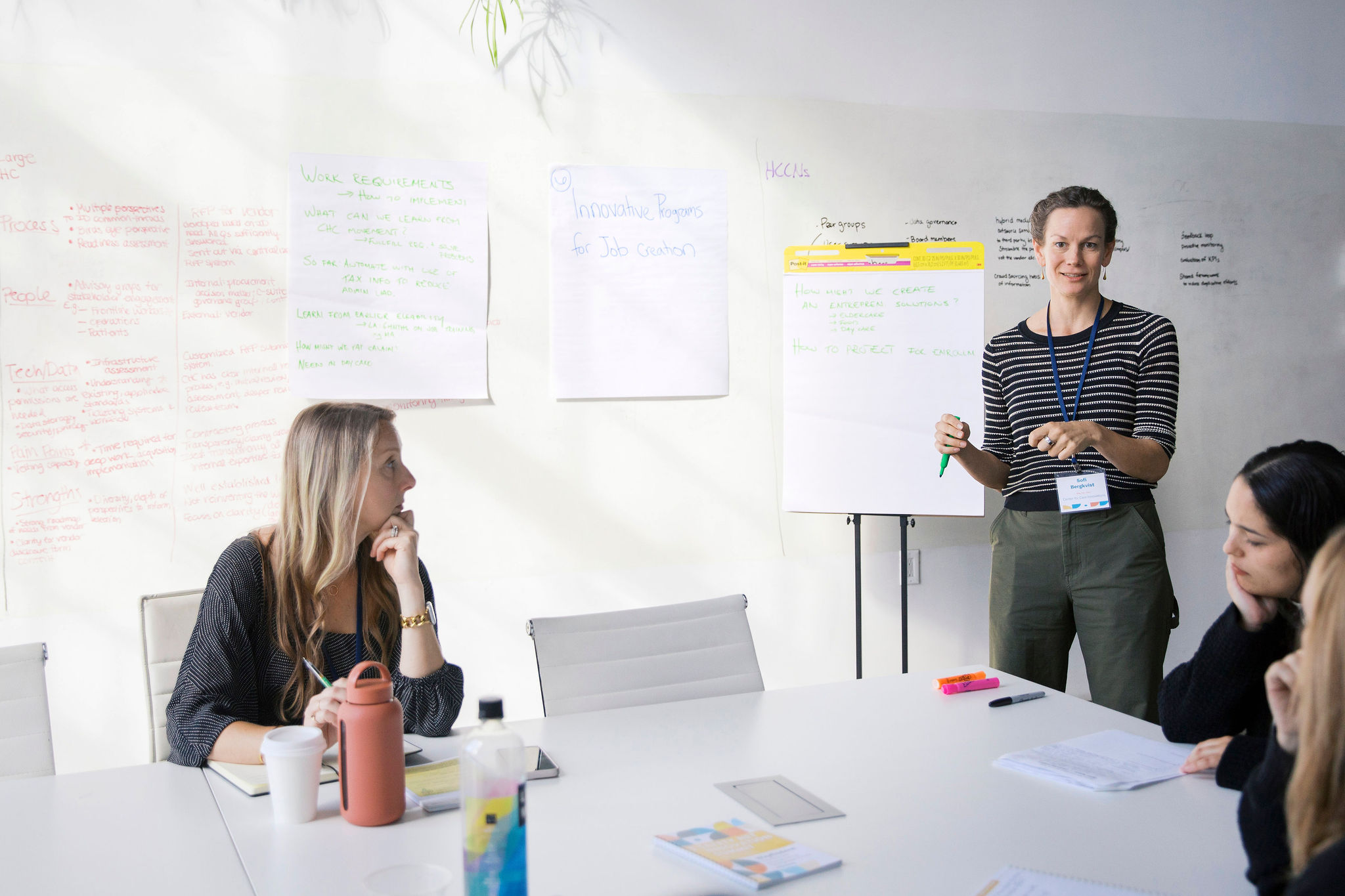
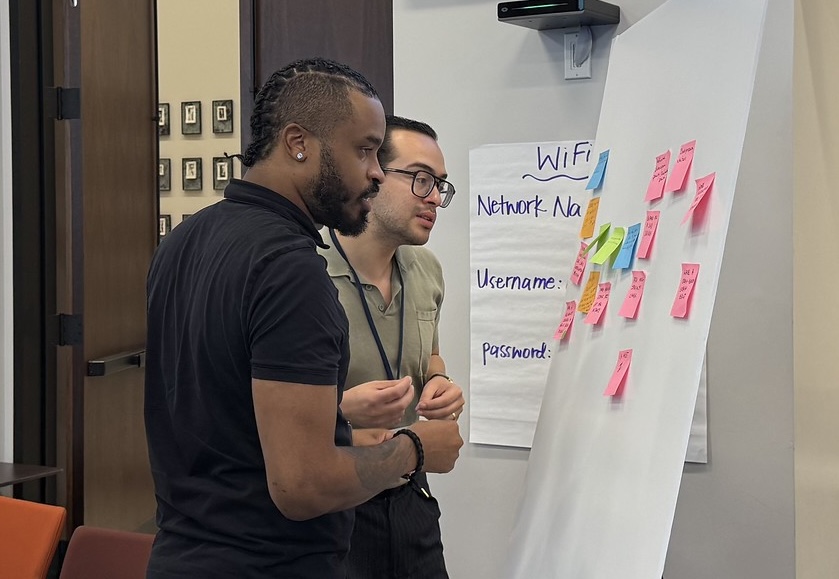

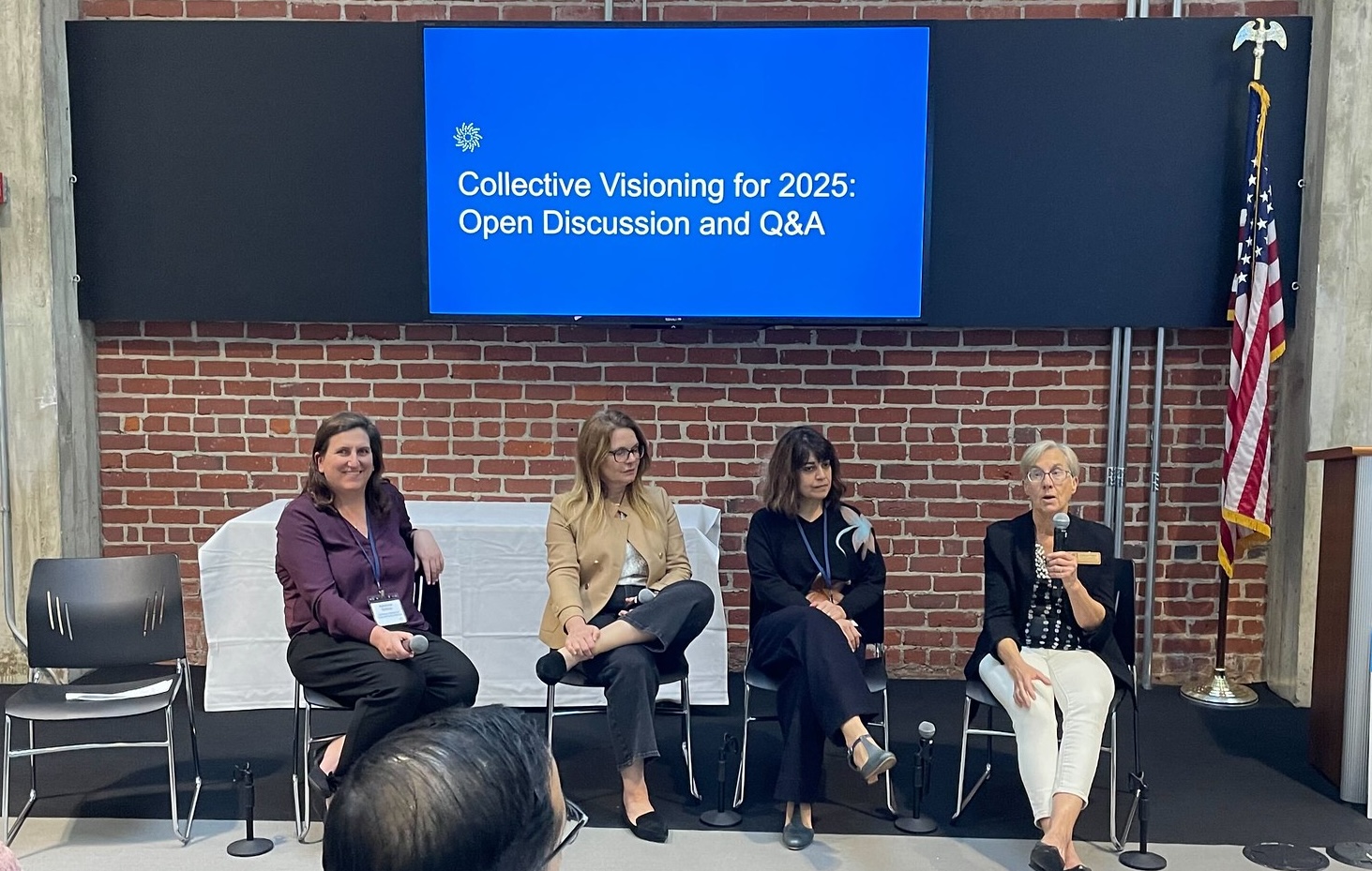
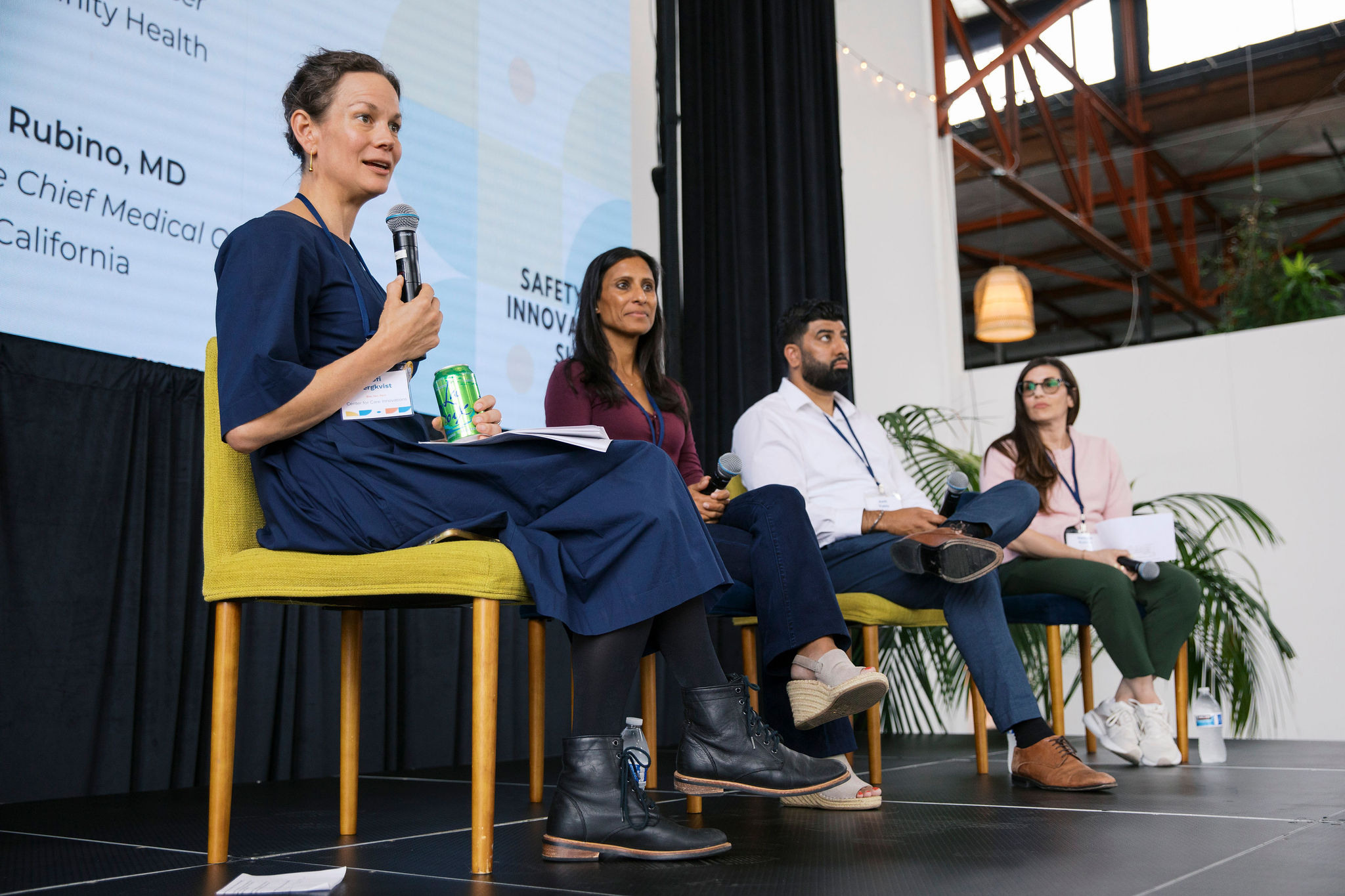
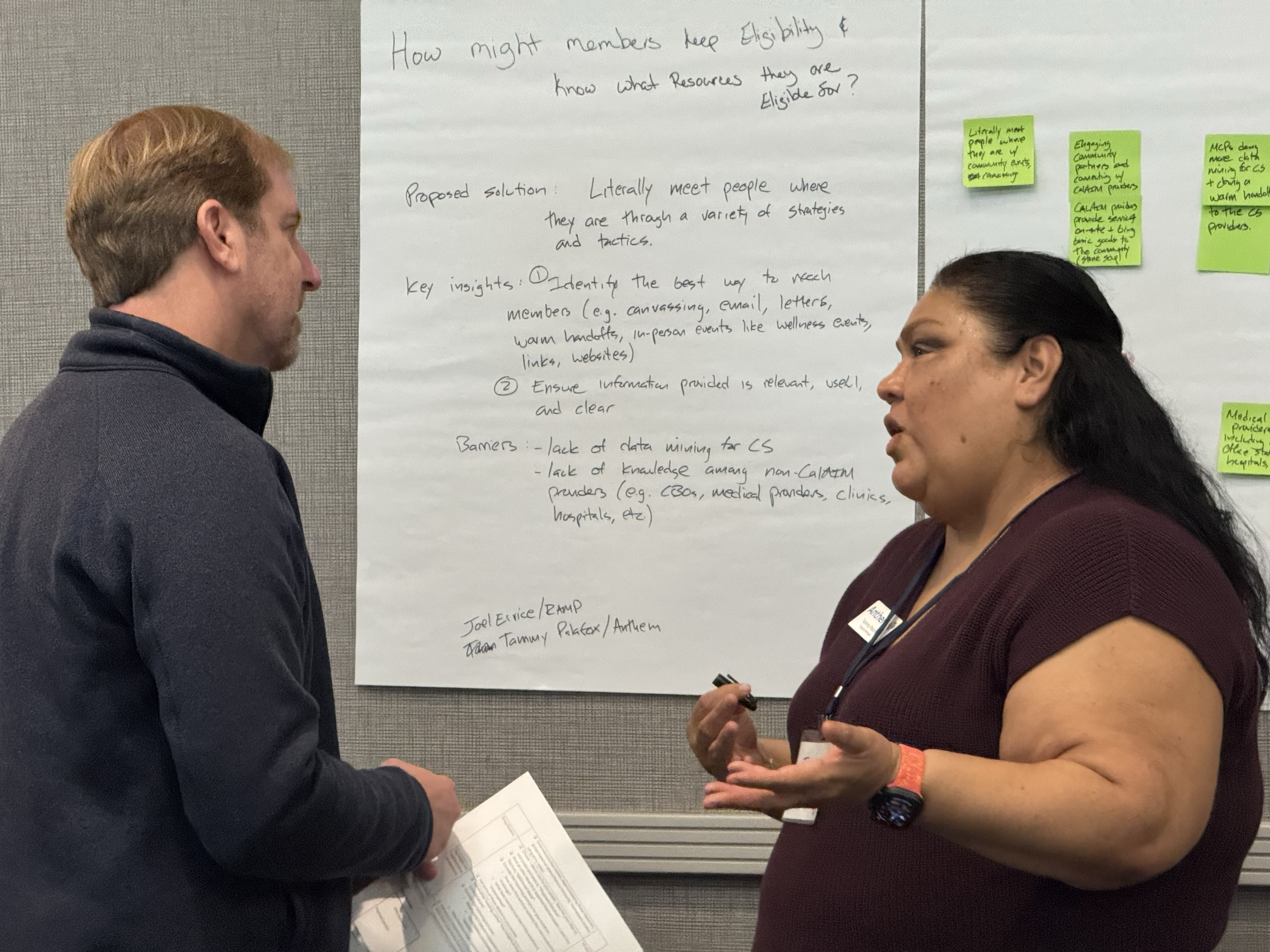
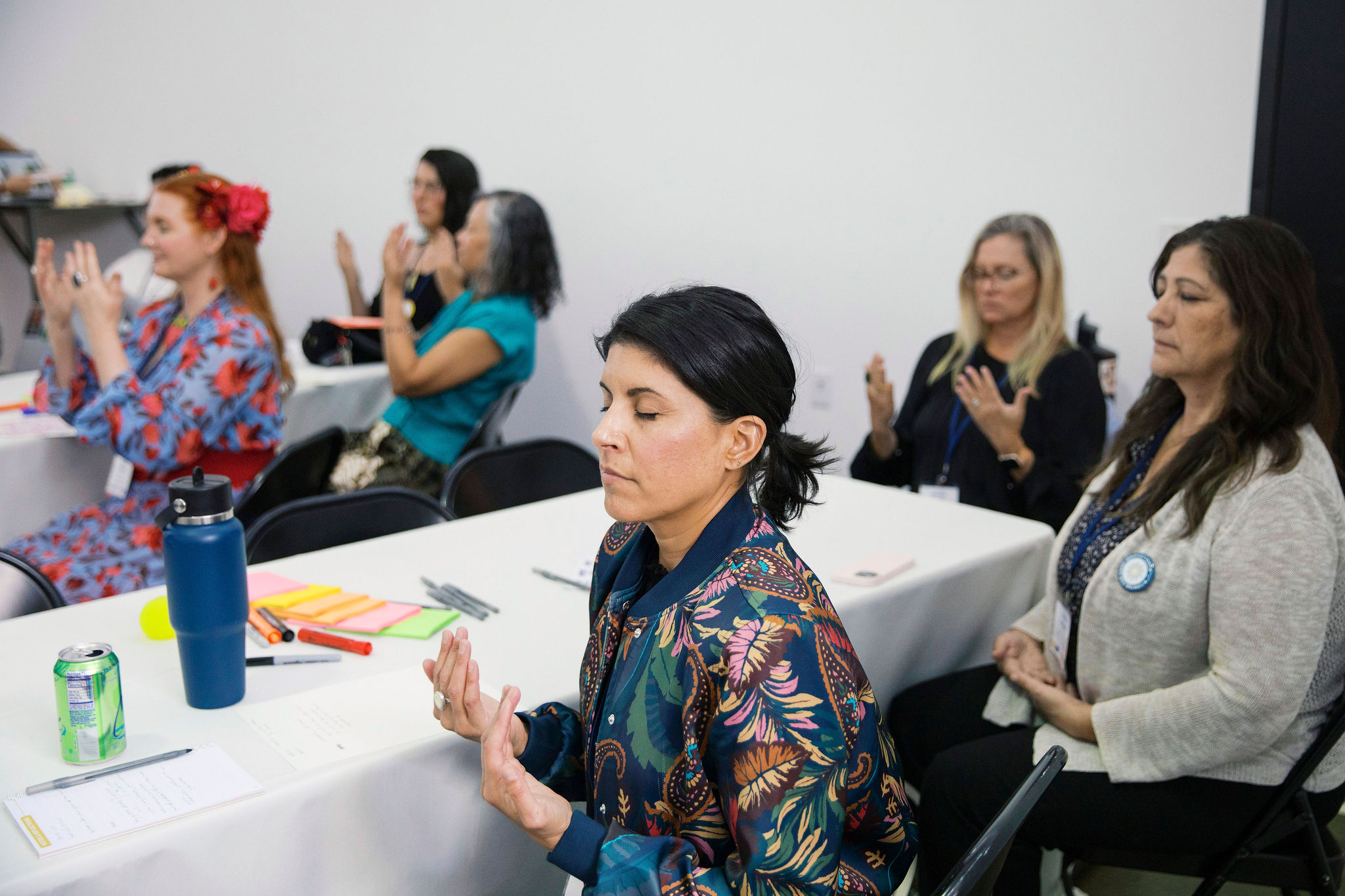
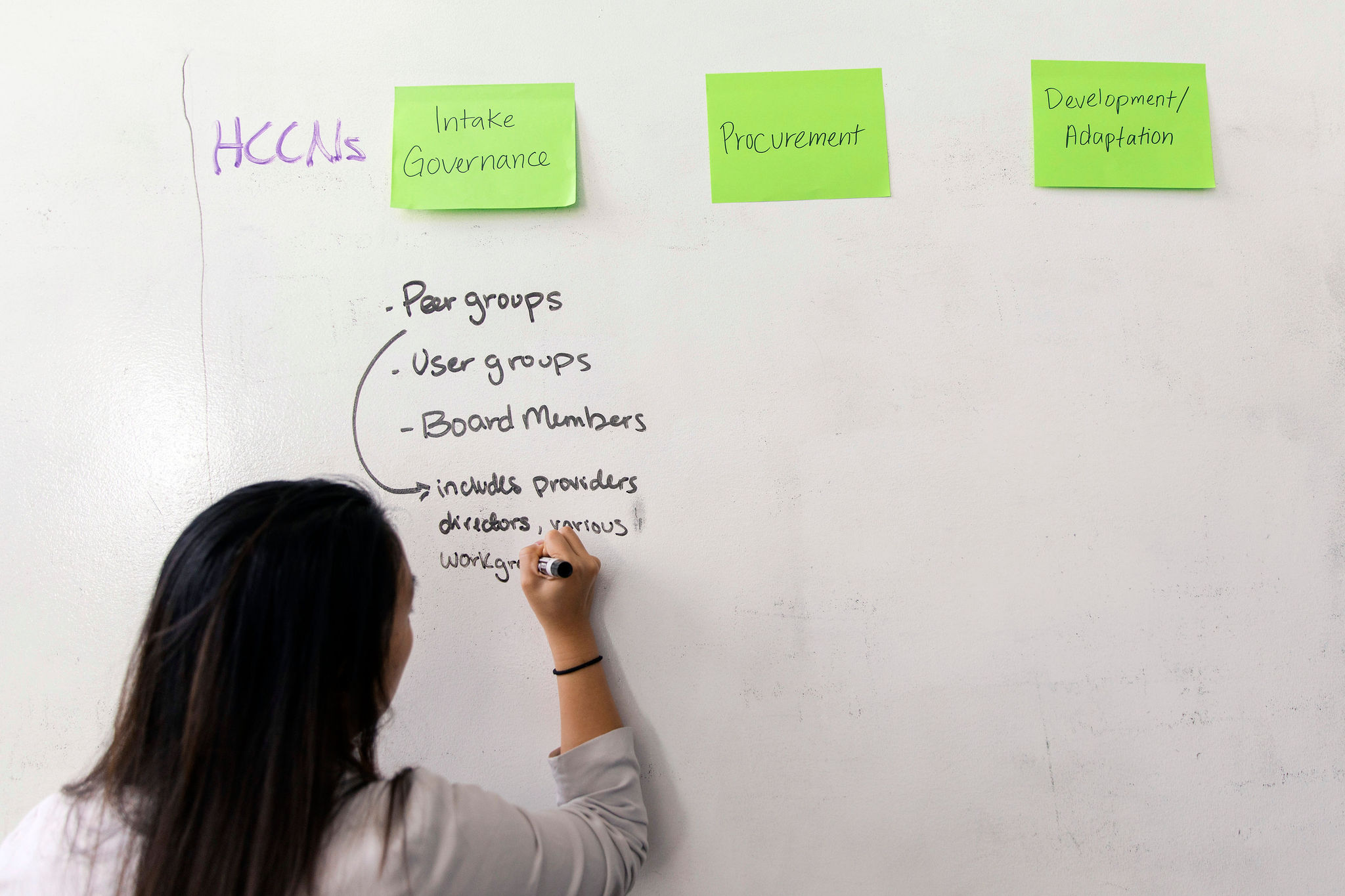


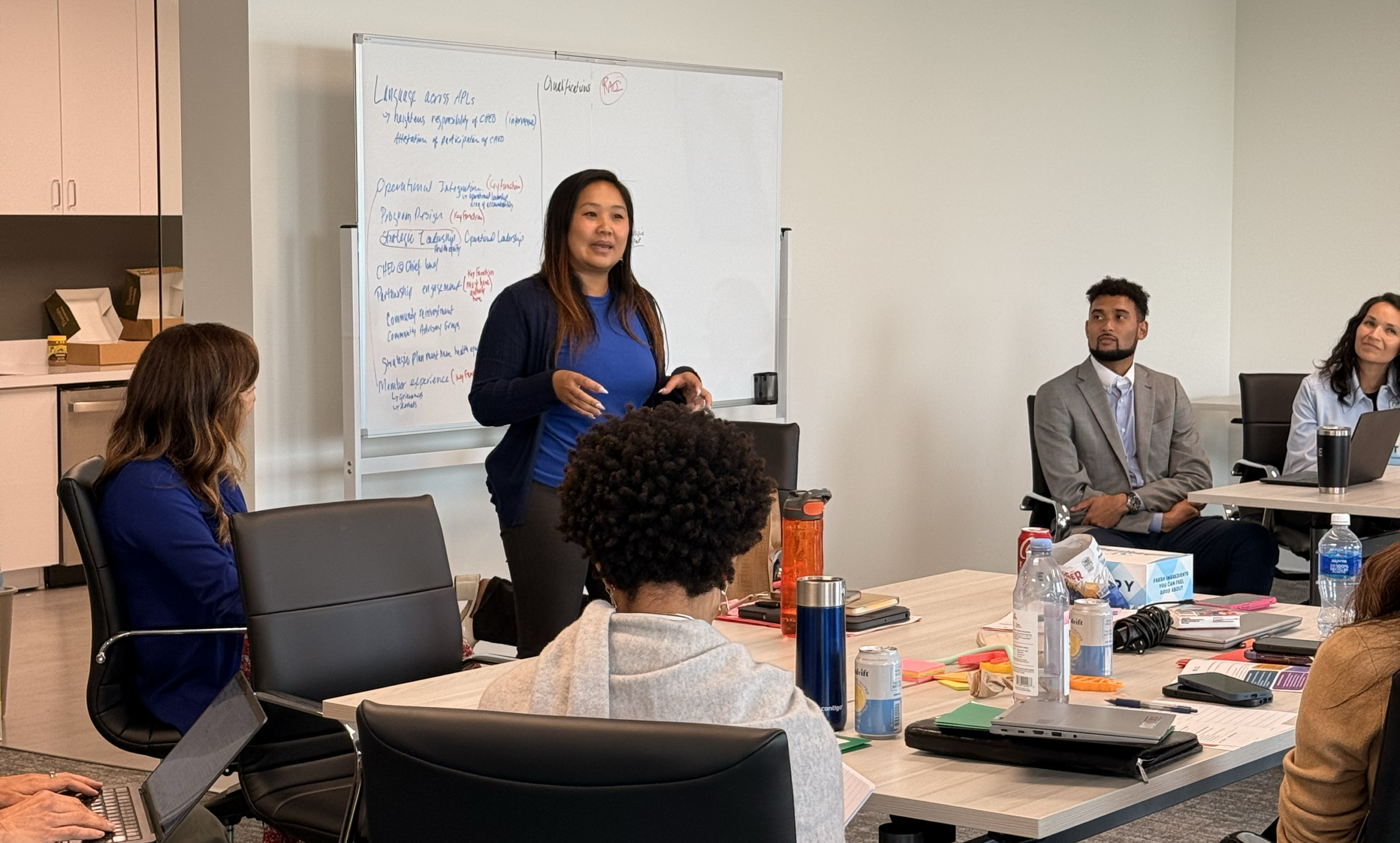

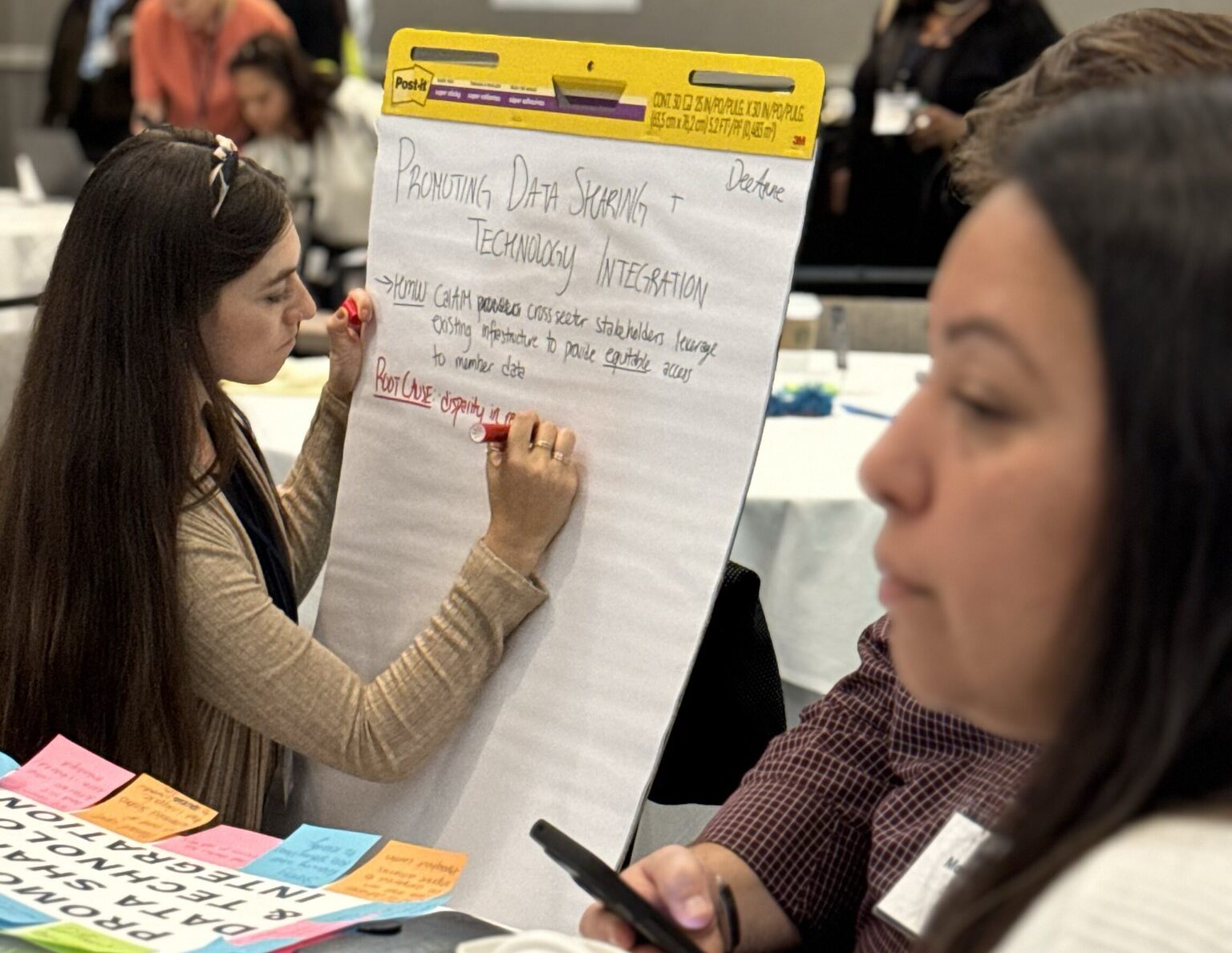

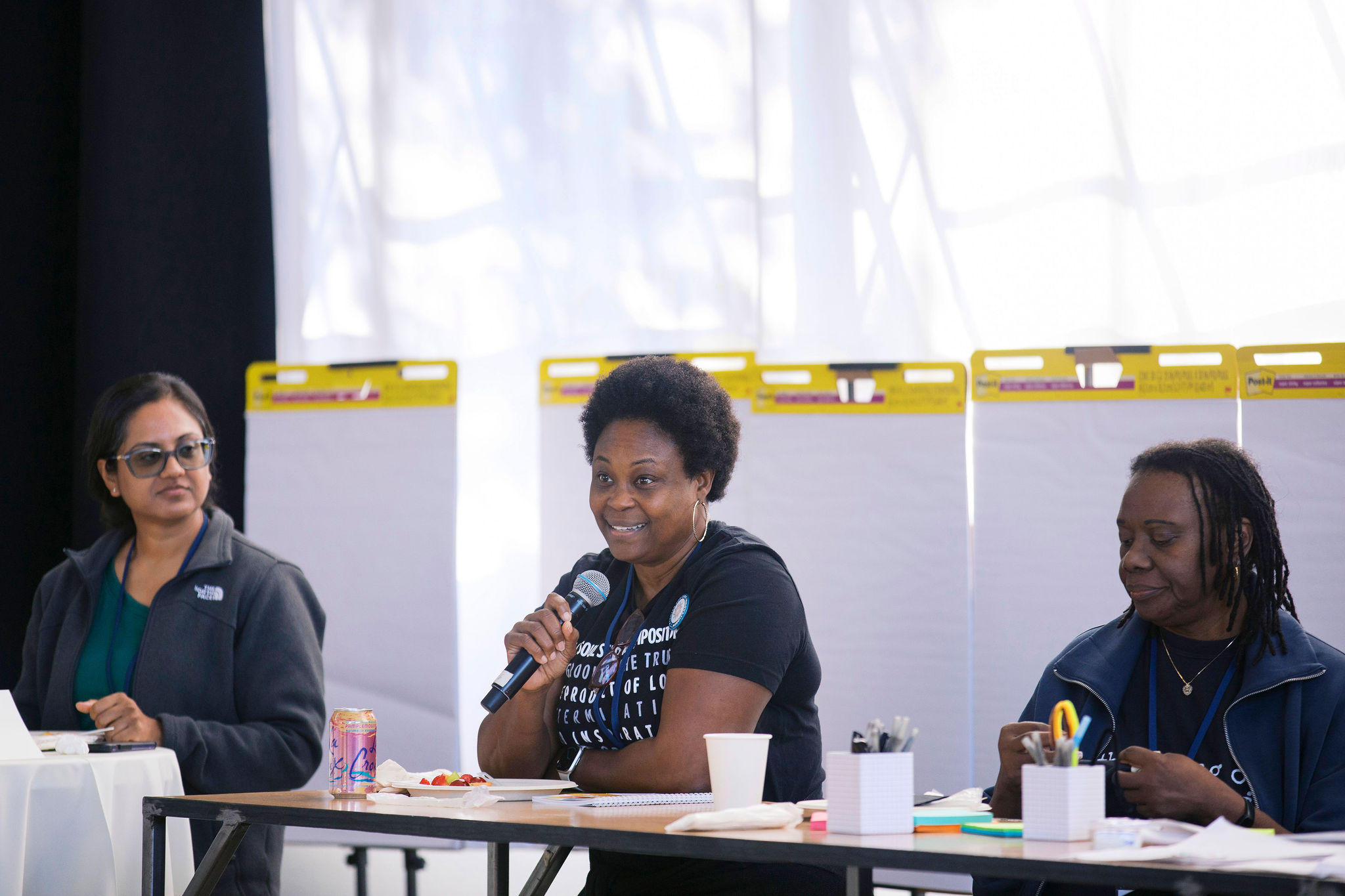
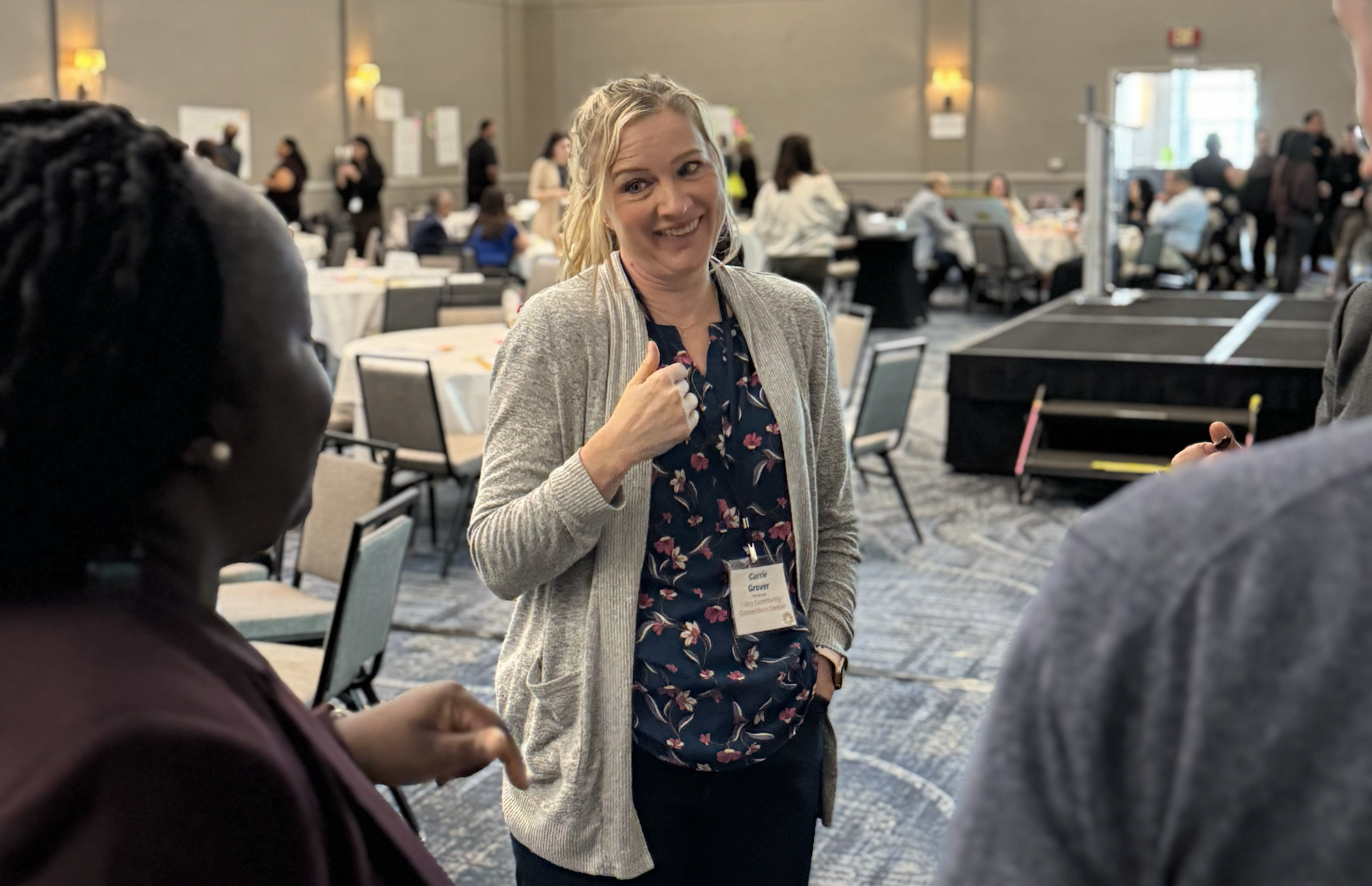
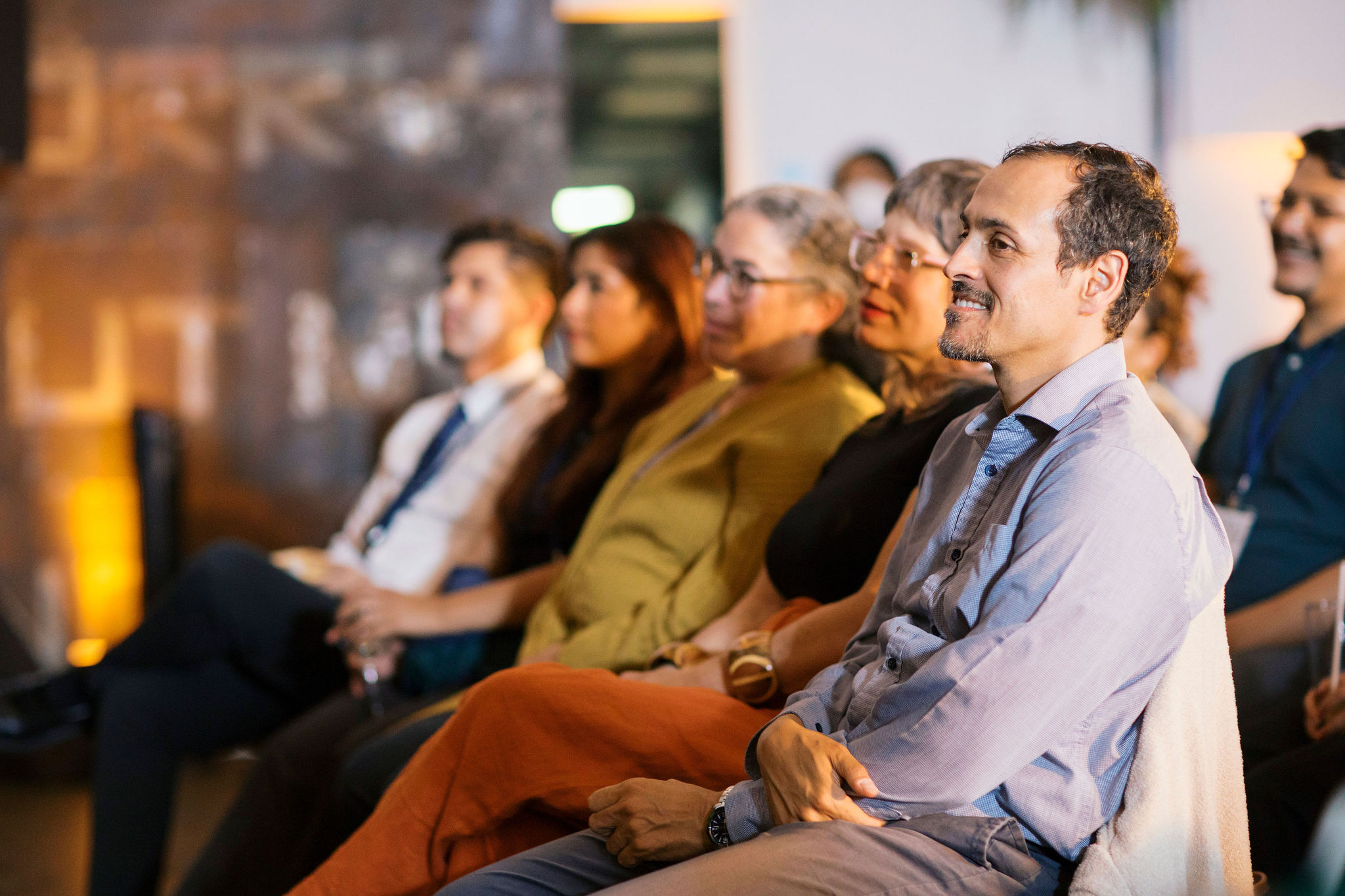
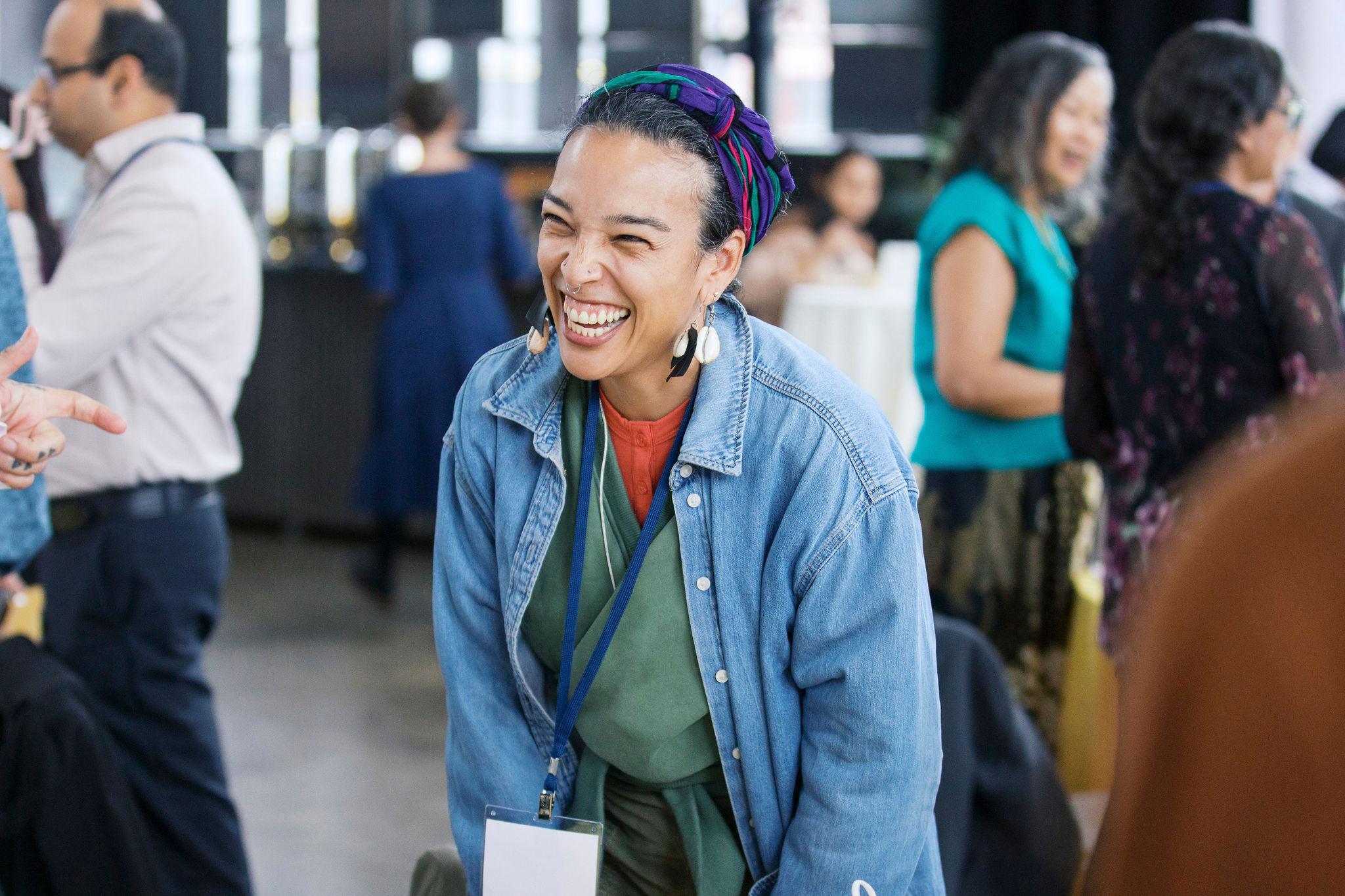
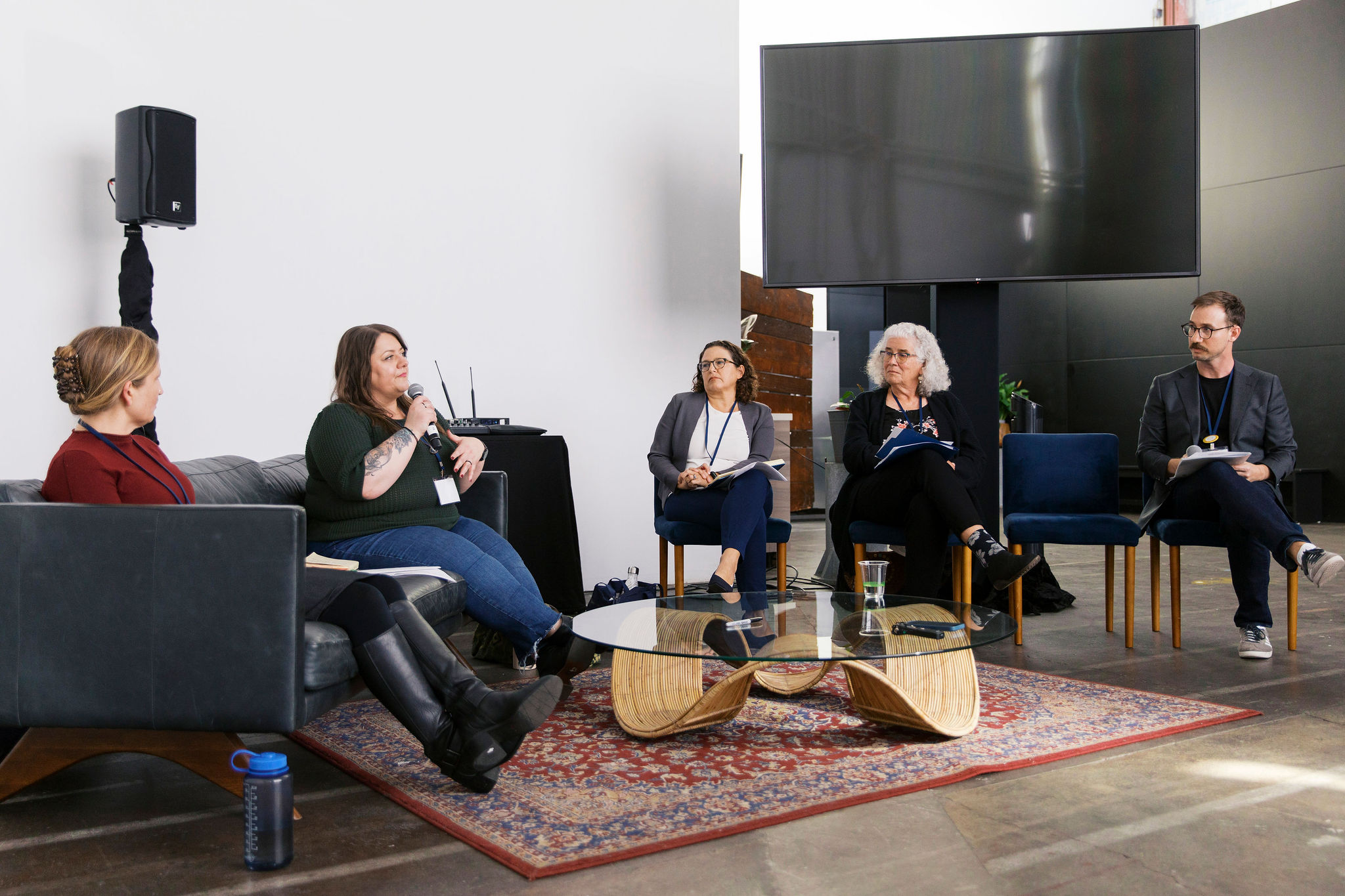
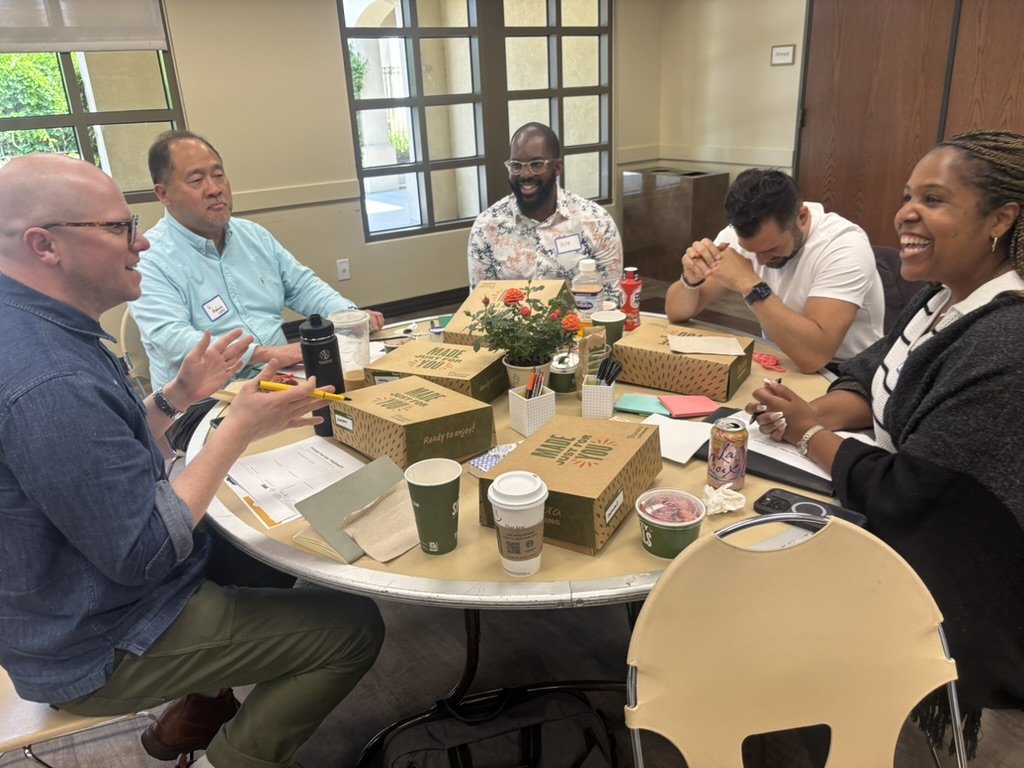

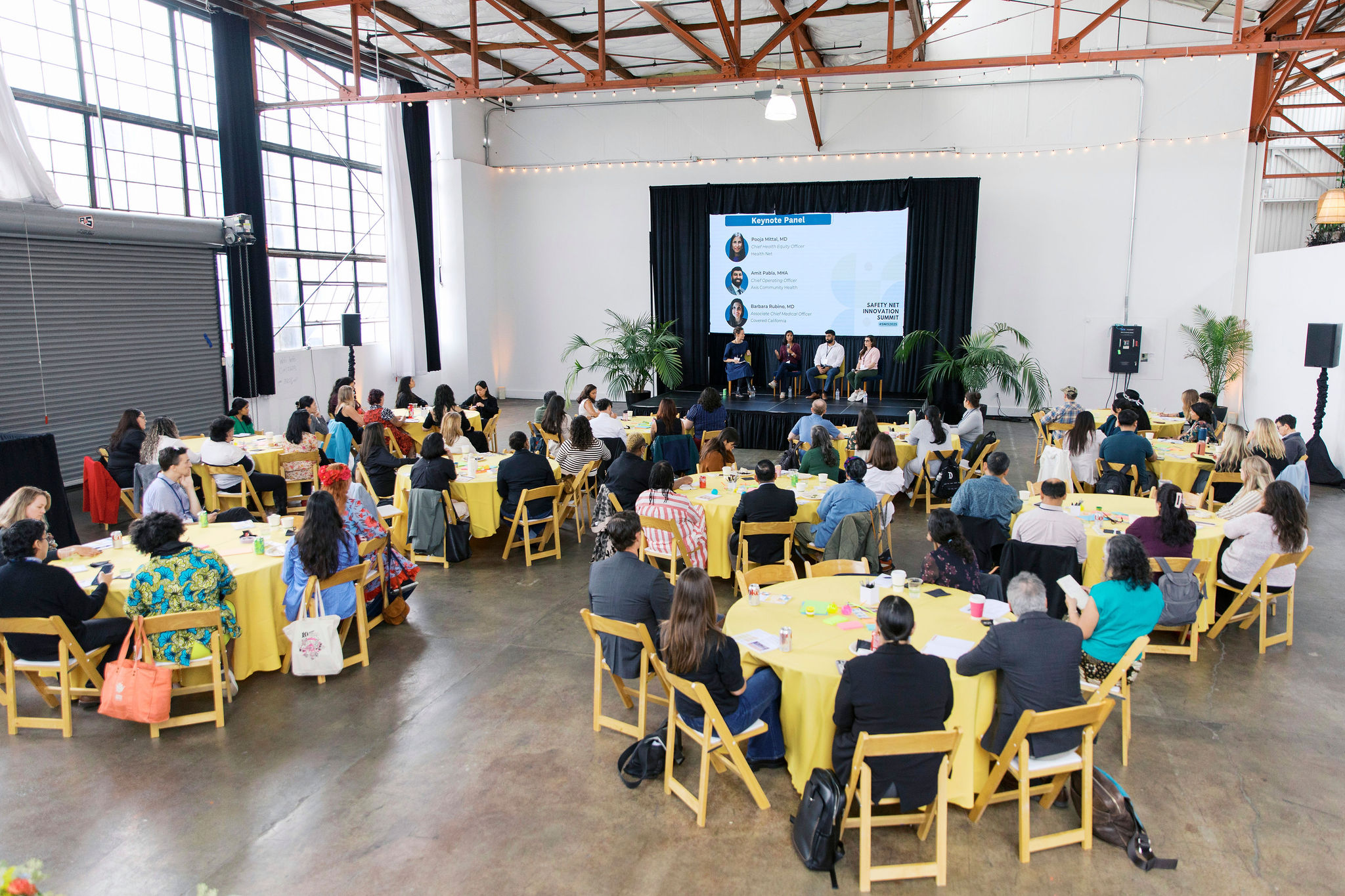
Across all three lines of work, something became unmistakably clear in 2025: the safety net is not waiting to be rescued. It is full of people who already know what their communities need — who are already building, adapting, and showing up.
What they need is connection, infrastructure, and the occasional reminder that they are not alone in the work. That’s what shaped how we’re thinking about 2026. The five priority areas below are where the field kept surfacing the same unmet needs and where we believe CCI has the relationships, expertise, and methodology to be useful.

Where We’re Focusing
2026 Priority Areas
The pressures of 2025 clarified our focus. In 2026, we are organizing our efforts around five priority areas, each shaped by what the safety net most urgently needs, where we have relevant expertise and relationships, and where we see genuine opportunities to create and spread change.
Behavioral Health Equity
Behavioral health conditions — including depression, anxiety, trauma, and substance use disorder (SUD) — are among the most undertreated in the safety net. But the treatment gap is sharpest for SUD: about 10 percent of people who need care receive it. The gap is widest for Black, Indigenous, Latino/x, rural, and low-income communities, who face the highest overdose rates and the steepest structural barriers to treatment. Stigma, fragmented systems, and limited access to culturally trusted providers have defined this crisis for decades. Too many people still can’t get care where they live, in a language they speak, or from a provider they trust.
Housing and Health
Housing instability and poor health outcomes are deeply linked, yet the systems designed to address them rarely work together. People experiencing homelessness cycle through emergency rooms, jails, and shelters. Coordinated care across the full continuum could help break that cycle.
Immigrant Health
Federal policy shifts have created a climate of fear that is keeping people away from care they need and are entitled to. Safety-net providers are on the front lines navigating patient trust, workforce strain, and rapidly changing guidance.
Medicaid Transformation
Medicaid is the backbone of the safety net, and it’s under pressure from every direction. Policy changes, evolving managed care accountability, and the push to integrate equity into quality improvement are reshaping what health plans and providers are expected to deliver. The leaders navigating this need tools that work, peers who understand the terrain, and the clarity to drive health equity even when the environment pushes back.
Safe and Responsible AI
AI is entering health care faster than governance can keep up. For safety-net organizations operating with limited resources and caring for patients with the greatest need, the risks of adopting AI without proper safeguards are real and so is the cost of being left behind.
Building What Comes Next Together
We enter 2026 with clear eyes and a clearer strategy. We know what we’re building. We know what we’re focusing on.
The safety net is resilient. Over and over, this community chooses each other — chooses to collaborate, to share time and knowledge and space, to keep going when the headwinds are strong. We are honored to be part of it.
Thank you to everyone who shared your trust, insight, and energy with us in 2025. And to our key partners — Bank of America, California Department of Health Care Services, California Health Care Foundation, The California Wellness Foundation, Cedars-Sinai, CalOptima Health, Ceres Community Project, The Colorado Health Foundation, Conrad N. Hilton Foundation, Health Plan of San Mateo, Institute for Healthcare Improvement, JSI, and Kaiser Permanente — none of this happens without you.